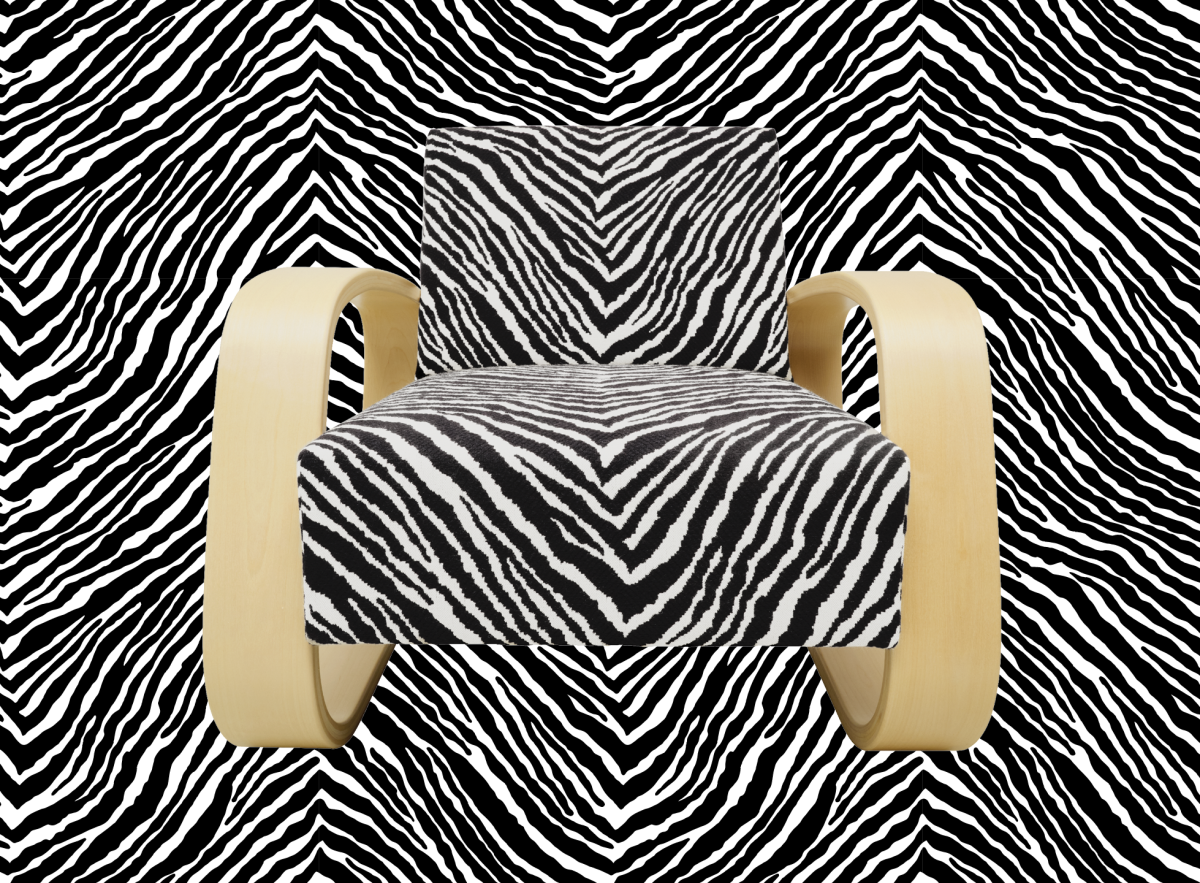
アルテックの「ゼブラ」。その原点を訪ねて
1930年代初頭、ヨーロッパを旅していたアイノ・アアルトが出会ったゼブラ柄の生地。その出会いから生まれたアルテックの「ゼブラ」は、91年にわたる歴史の中で愛され続け、今なおブランドを象徴する存在です。

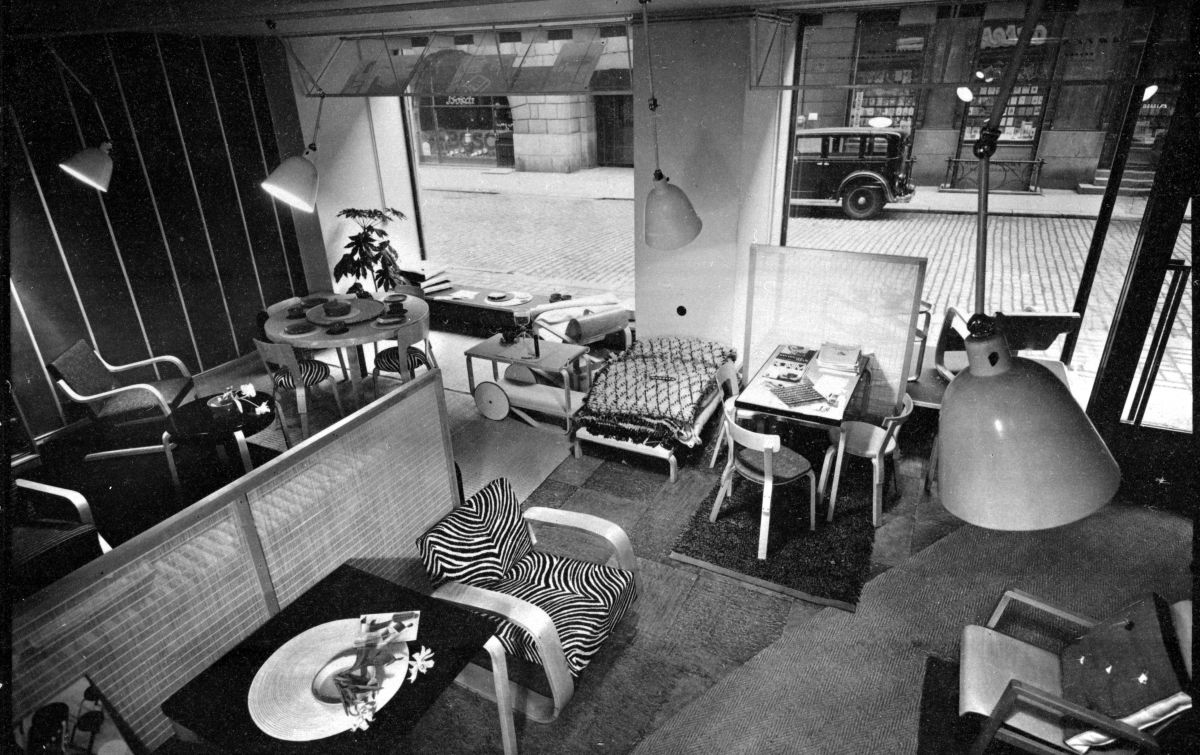
1934年、アアルトの家具にゼブラ柄のファブリックが初めて張られました。それが、後にアルテックを象徴するデザインとして愛される「ゼブラ」の長い物語の始まりでした。近年の調査によれば、このテキスタイルは、シマウマ=ゼブラの毛皮の模様を再現した織物として現存する最初期の例である可能性が示されています。しかし、その誕生の背景には、いまだ多くの謎が残されています。
今年、アルテックは定番のブラック / ホワイトに加え、新たなカラーバリエーションとして、ブラウン / ホワイトの「ゼブラ」を発表します。この節目にあたり、その原点を探る旅に出ましょう。フランスからフィンランドへと渡ったテキスタイルの軌跡をたどると、そこにはモダニズムを支えた人々とのつながりと興味深い物語が浮かび上がってきます。
フランスからフィンランドへ
このテキスタイルは、1920年代後半、フランス・リヨンの織物工場で生まれたと考えられています。その背景には、当時のインテリアやパリの高級メゾンで広がっていた、エキゾチックアニマルの毛皮を取り入れる流行がありました。さらに、アール・デコ様式の特徴である大胆な造形とのコントラストとも相まって、ゼブラ柄のテキスタイルはひときわ印象的な存在として注目を集め、さらにファブリックとして、さまざまな家具へ応用できるようになりました。家具の形や大きさに合わせて柄の見え方を調整できるため、デザイナーたちはこの印象的なモチーフを自由に取り入れることができたのです。
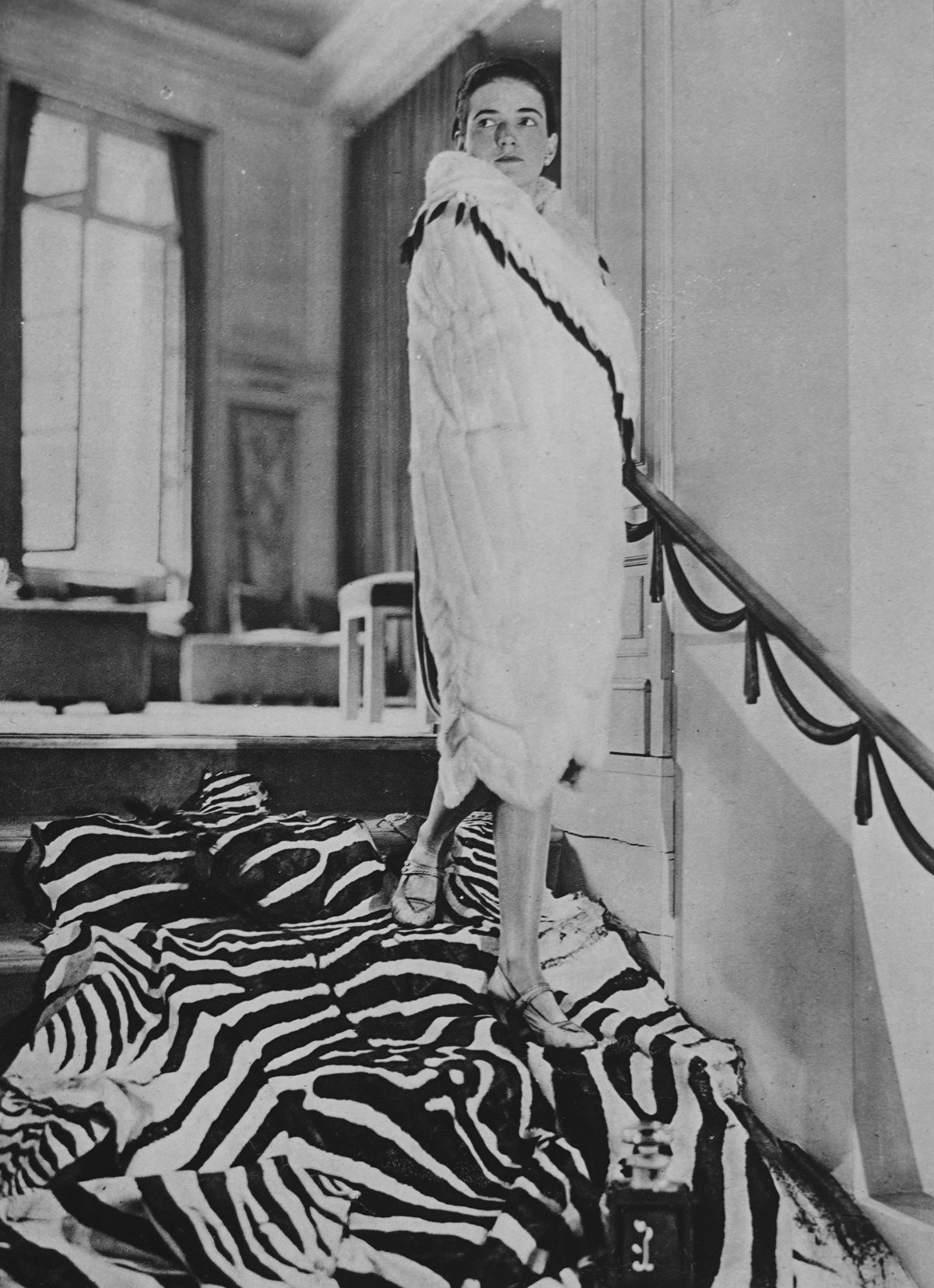
Copyright: Folkwang Museum Essen
このゼブラ柄のファブリックが家具に使われた最初の記録として知られているのが、後にアルテックのアアルト家具にも採用されることになる同じテキスタイルです。その足跡は、フランスのデザイナー、ミシェル・デュフェ(1888-1985)にまで遡ります。デュフェは1929年、パリで開催された芸術と建築の祭典「サロン・ドートンヌ」に出展した空間で、このゼブラ柄のジャカード織テキスタイルを張地に用いた2脚のアームチェアを発表しました。しかし、この生地を製造・供給したメーカーがどこであったのかは、現在も明らかになっていません。当時はテキスタイルに関する記録が十分に残されないことも多く、その詳細は歴史のなかに埋もれてしまったのです。
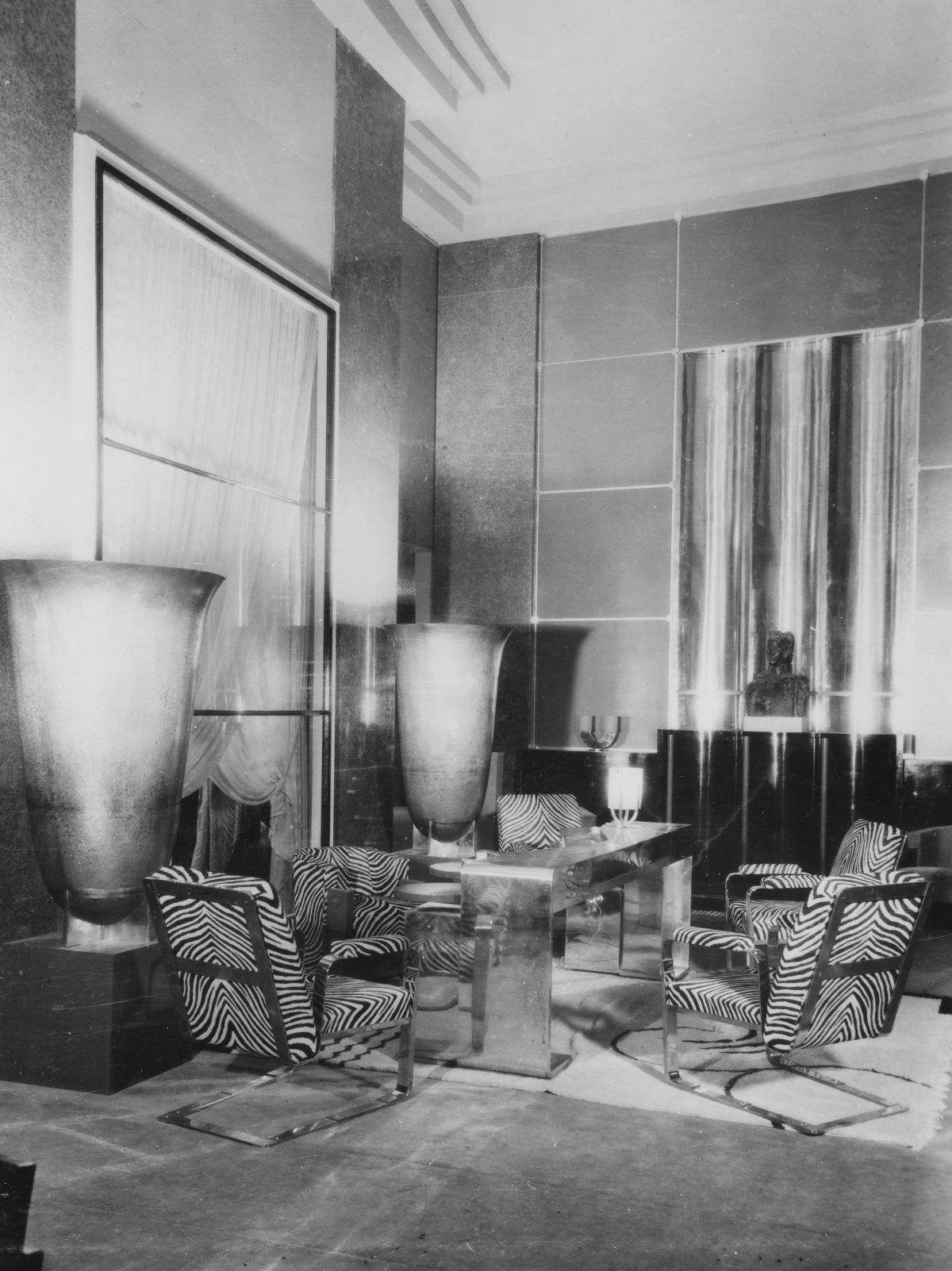
Rights reserved.
ゼブラにまつわる記録
ゼブラの起源がフランスにあることを示す最も重要な手がかりのひとつは、アイノ・アアルトが残した記録です。1935年、アイノ・アアルトはデザインの着想を求めてパリとチューリッヒを訪れました。その旅の途中、すでにアアルト家具を取り扱っていたパリのインテリアショップ「Stylclair」で、一枚のゼブラ柄の張地に目を留めます。
旅先で出会った興味深いものや素材、アイデアを記録することを習慣としていたアイノは、この時もノートにメモを残しました。そこには、ほかの覚え書きとともに「リヨンから来たゼブラ生地(Zebra fabric which comes from Lyon)」という一文が記されています。この情報は、おそらく彼女が生地を見ていた際に、Stylclairのスタッフから伝えられたものだったのでしょう。印象的なこのテキスタイルに魅了されたのは、アイノだけではありませんでした。後にこのゼブラ生地は、Stylclairの広告にも登場し、人々の目を引く存在になりました。
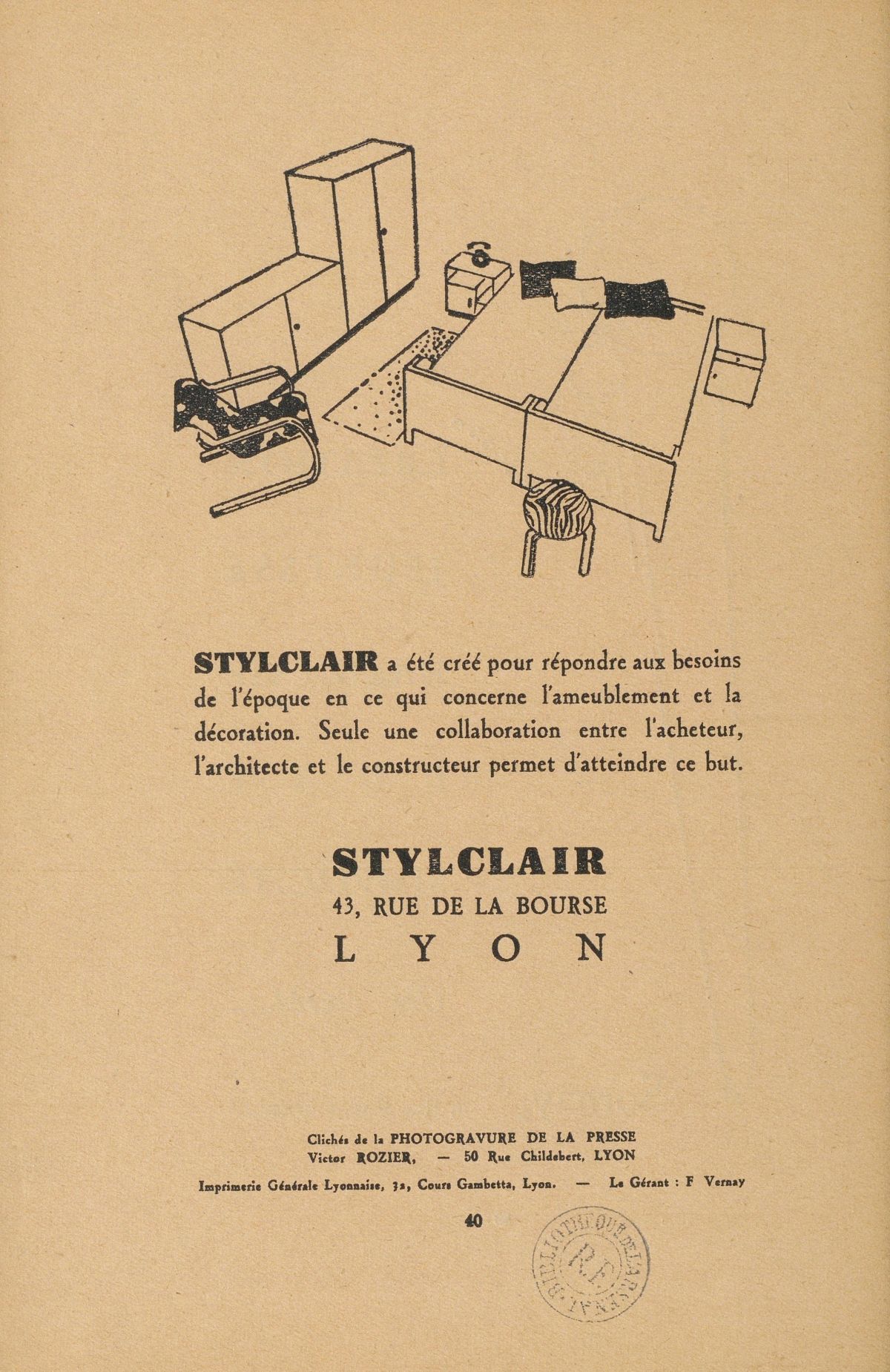
アイノ・アアルトがこのテキスタイルと出会った記録が残されているのはこの時が初めてですが、実はゼブラ柄はすでにアアルト家具に取り入れられていました。その背景にあったのは、1931年に建築史家であり理論家のジークフリート・ギーディオンとその仲間たちによって設立されたスイスのデザインショップ「Wohnbedarf(ヴォーンベダルフ)」です。
「ヴォーンベダルフ」は、スイスにモダニズムを広めることを目的に設立されました。自ら家具やインテリア製品の製作・販売も手がけ、アルヴァ・アアルトをはじめとするヨーロッパの著名な建築家やデザイナーによる作品を積極的に紹介していきました。
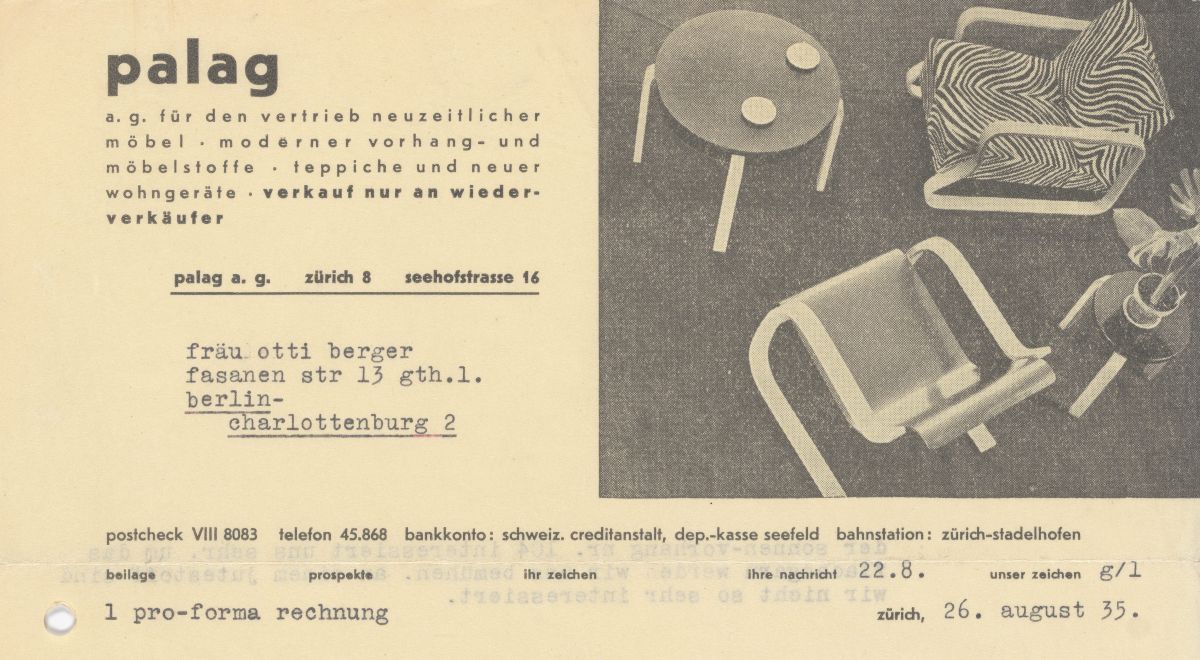
Copyright: Alvar Aalto Museum.
「ヴォーンベダルフ」の創設者たちは、フランスをはじめとする近隣諸国のデザイントレンドに強い関心を寄せていました。ゼブラのテキスタイルも、おそらくメーカーから直接購入されたものと考えられています。1934年から「ヴォーンベダルフ」は、アルヴァ・アアルトによるアームチェアやスツールにゼブラ柄の張地を採用し始めました。当時の広告にも、その姿を見ることができます。
そして、このテキスタイルがアルテックのデザイン的な象徴として定着するきっかけとなったのは、アイノ・アアルトがパリで遭遇したことでした。旅の記録にその存在を書き留めた後、アイノは1935年末、このテキスタイルをヘルシンキへ取り寄せます。その後、ゼブラ張りのアアルト家具は、1936年3月にファビアン通りにオープンした最初のアルテックストアに登場しました。こうしてゼブラは、アルテックの歴史とともに歩み始めたのです。
オッティ・ベルガーの作という説をめぐって
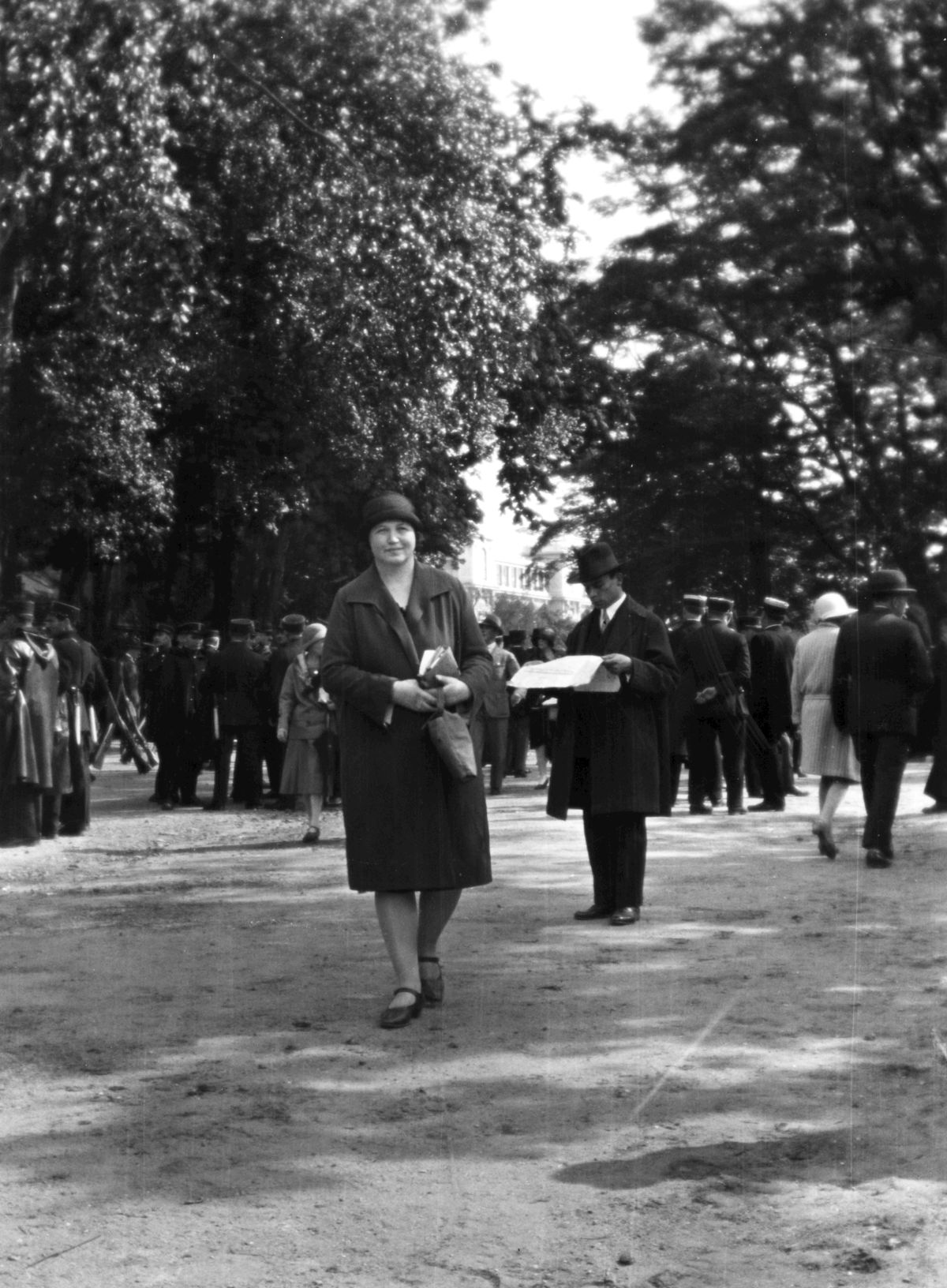
ゼブラのテキスタイルは、バウハウス・デッサウ校で学び、後にアウシュヴィッツで命を落とした卓越したテキスタイルデザイナー、オッティ・ベルガー(1898-1944)の作品ではないかと指摘する研究者もいます。しかし、近年の調査で明らかになった資料をたどると、これは誤りである可能性が高いことがわかってきました。現在の研究では、ゼブラのテキスタイルをオッティ・ベルガーの作品とする根拠は十分ではないと考えられています。
撮影:ハンス・フィンスラー。チューリッヒ、1935年
ゼブラのテキスタイルがオッティ・ベルガーの作品であると誤って伝えられるようになった背景には、二つの要因が考えられます。ひとつは、「ヴォーンベダルフ」のカタログです。そこには、ゼブラ張りのアアルト家具と、オッティ・ベルガー自身が手がけたテキスタイルがともに掲載されていました。現存する資料だけを見ると、ゼブラもまた彼女のデザインであるかのような印象を受けます。しかし、このテキスタイルが1920年代後半にリヨンで生まれたとするならば、その可能性は低いと考えられます。もうひとつは、アイノ・アアルトの手帳に残された記録です。ゼブラの生地について書かれたメモの近くに、別の記録としてオッティ・ベルガーの名前が記されていたことが、両者を結び付ける理由のひとつになったと考えられています。
なにより重要なのは、オッティ・ベルガーのデザイン思想です。彼女は、素材そのものの機能や質感から生まれる、繊細で控えめな表現を重視していました。一方、グラフィカルで力強い存在感を放つゼブラ柄は、そうした彼女のデザイン原則とは大きく異なります。ただし、「ヴォーンベダルフ」がスイス国内でこのテキスタイルを展開していく過程で、ベルガーがその改良や発展に助言を与えていた可能性はあります。
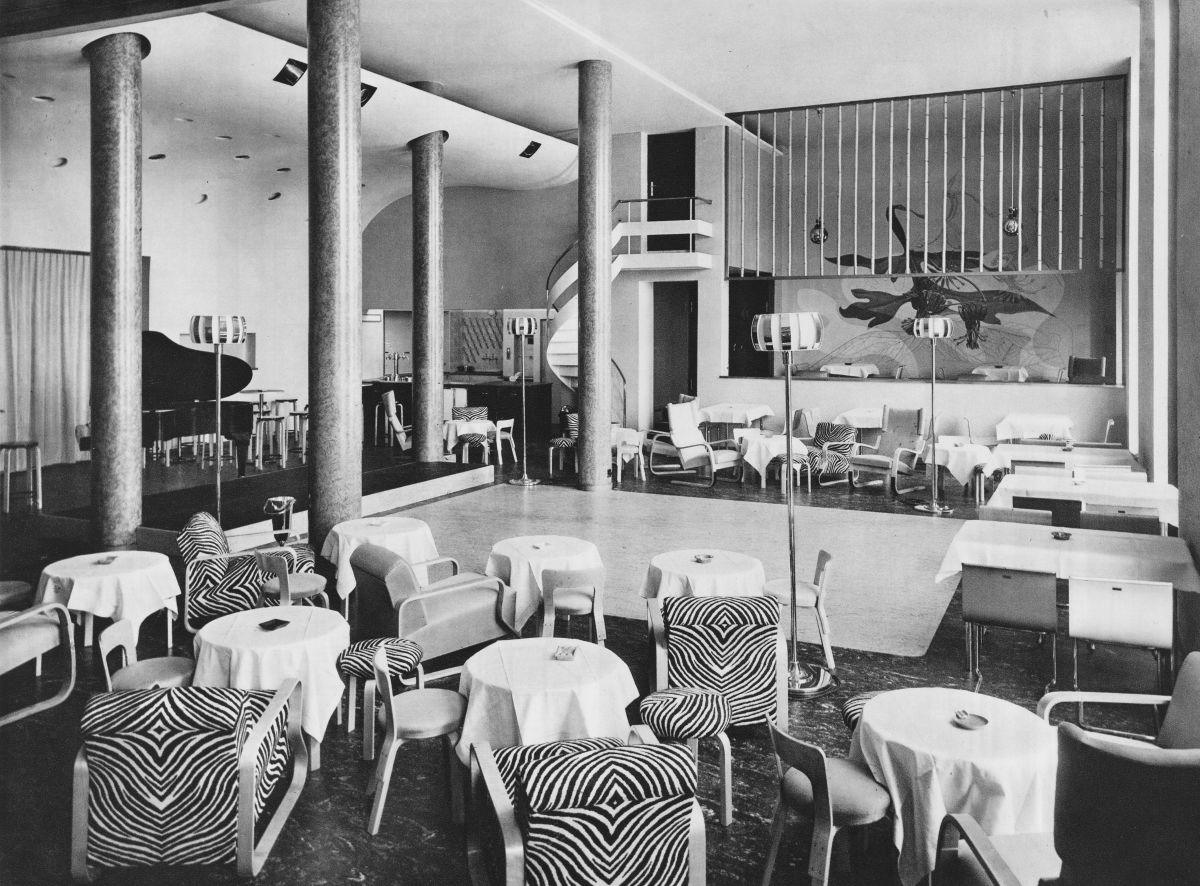
オッティ・ベルガーによるデザインのひとつである、人工の馬毛を用いた光沢のあるモノクロームの張地は、チューリッヒのヴァラエティ劇場「コルソ」のダンシング・バーにも採用されていました。そして偶然にも、この場所は、ゼブラ柄のテキスタイルを張ったアアルト家具が最も象徴的に用いられた空間のひとつでもありました。1934年にオープンしたこのプロジェクトでは、シュルレアリスムの画家マックス・エルンストによる花をモチーフにした壁画も取り入れられ、アール・デコが好んだエキゾチックなインテリア表現をさらに発展させた空間が生み出されました。
ゼブラの過去と現在
オリジナルのゼブラ生地は、ある時期に現在の「ゼブラ」へと置き換えられました。現在の生地は、1996年からドイツのテキスタイルメーカー Krall+Roth によって製造されています。オリジナル版では黒い部分に明るい色の糸が織り込まれていましたが、現在の生地は1960年代初頭の仕様をもとにしており、黒と白とのコントラストがより鮮明になっています。一方で、両者には共通する特徴もあります。表面には畝(うね)のある立体的な織りの構造があり、豊かな色の深みとやわらかな質感を備えています。それは、このテキスタイルの着想源となったゼブラの毛並みを思わせるものでもあります。
ゼブラ シリーズ
-
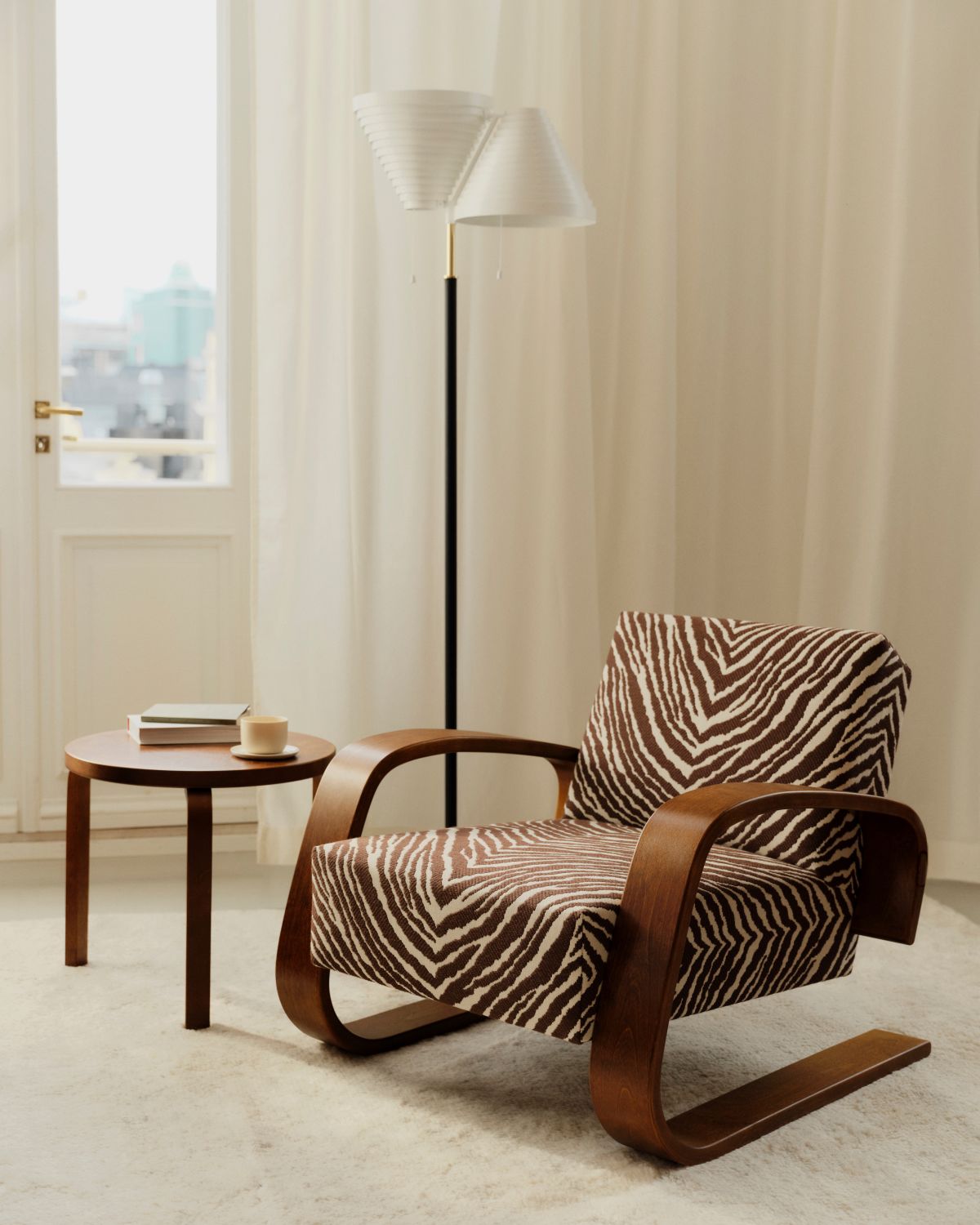
「アームチェア 400 タンク」バーチ、ウォルナットステイン仕上、ゼブラ張地 ブラウン / ホワイト
-
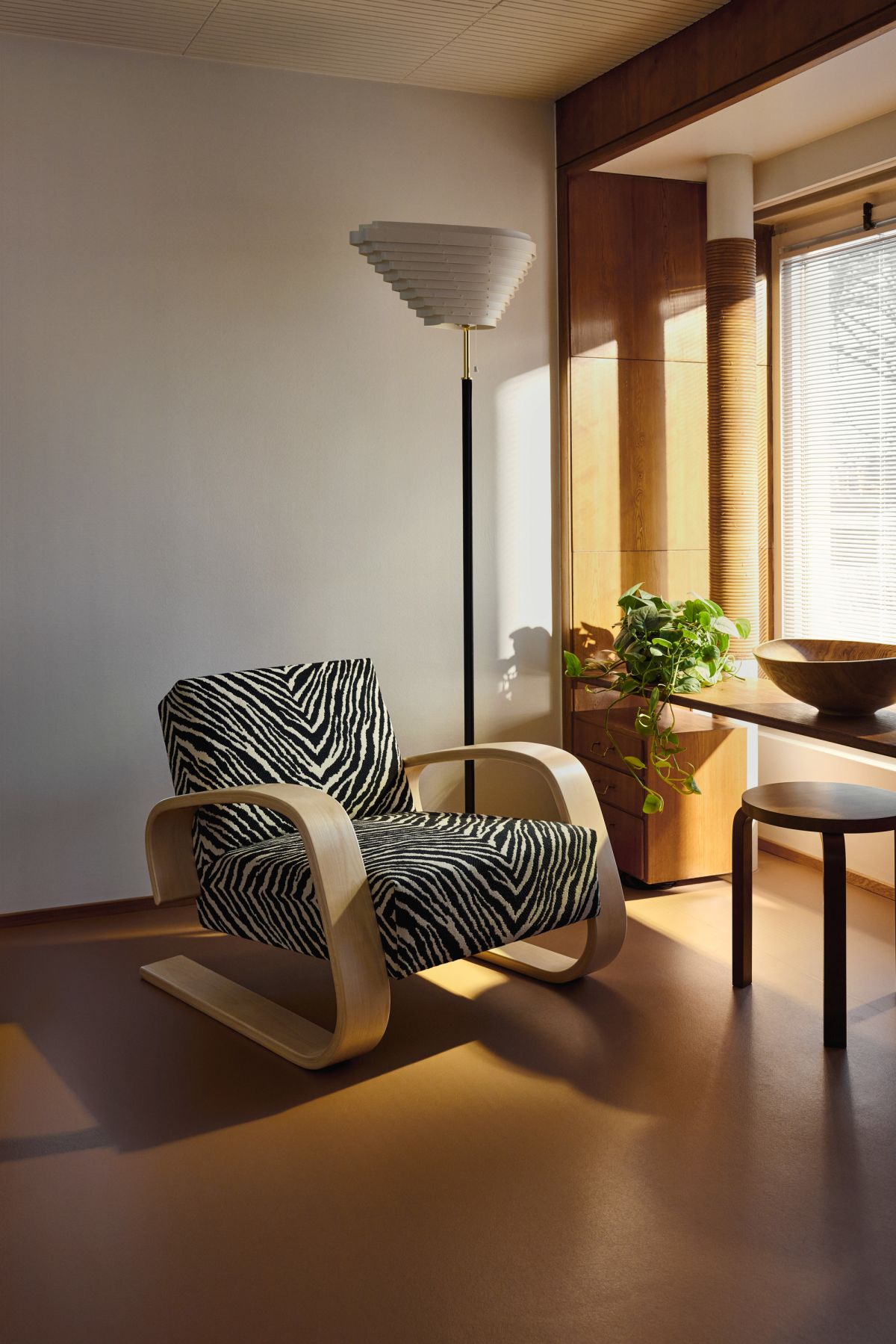
「アームチェア 400 タンク」バーチ、ナチュラルラッカー仕上、ゼブラ張地 ブラック / ホワイト
-
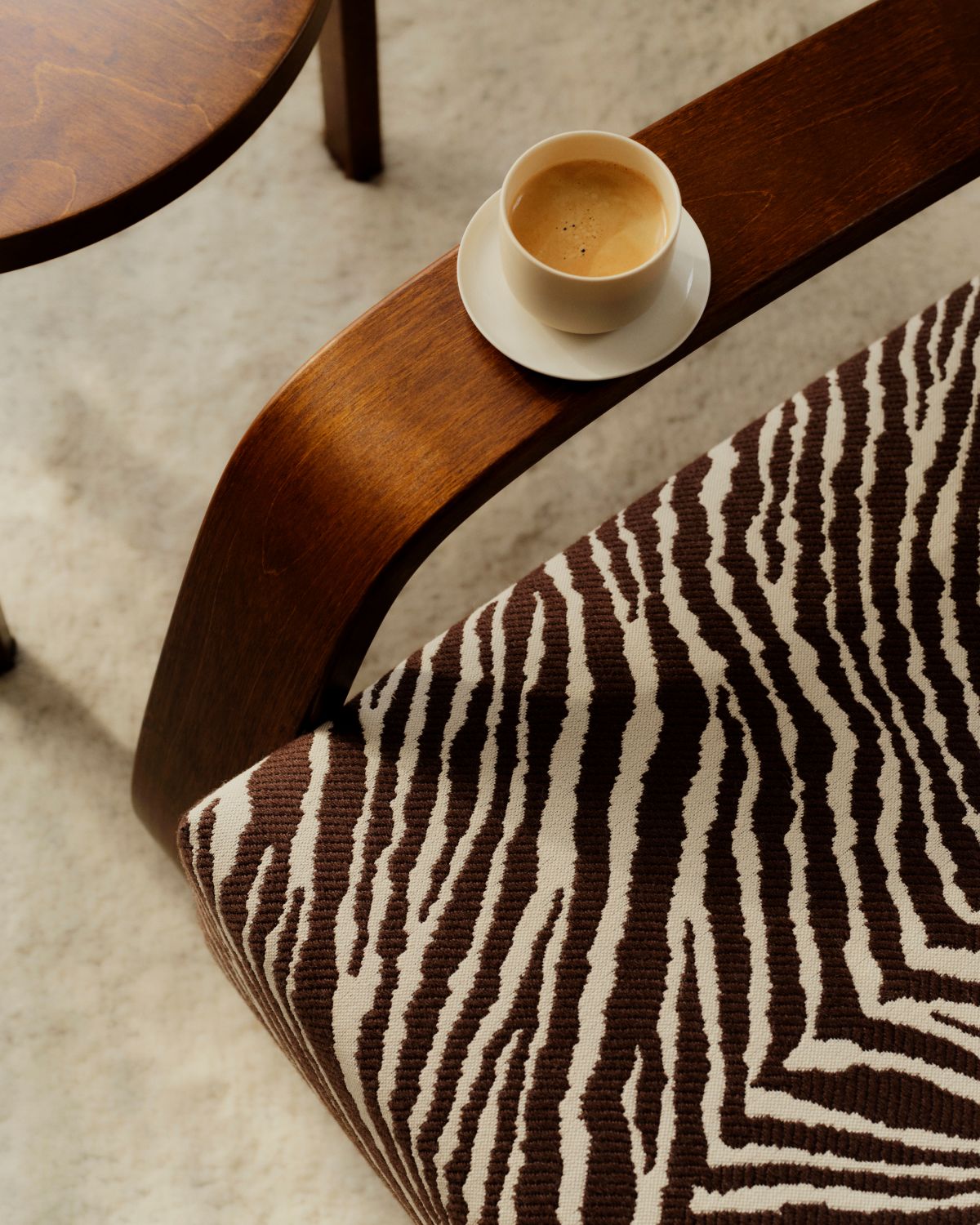
「アームチェア 400 タンク」バーチ、ウォルナットステイン仕上、ゼブラ張地 ブラウン / ホワイト
-
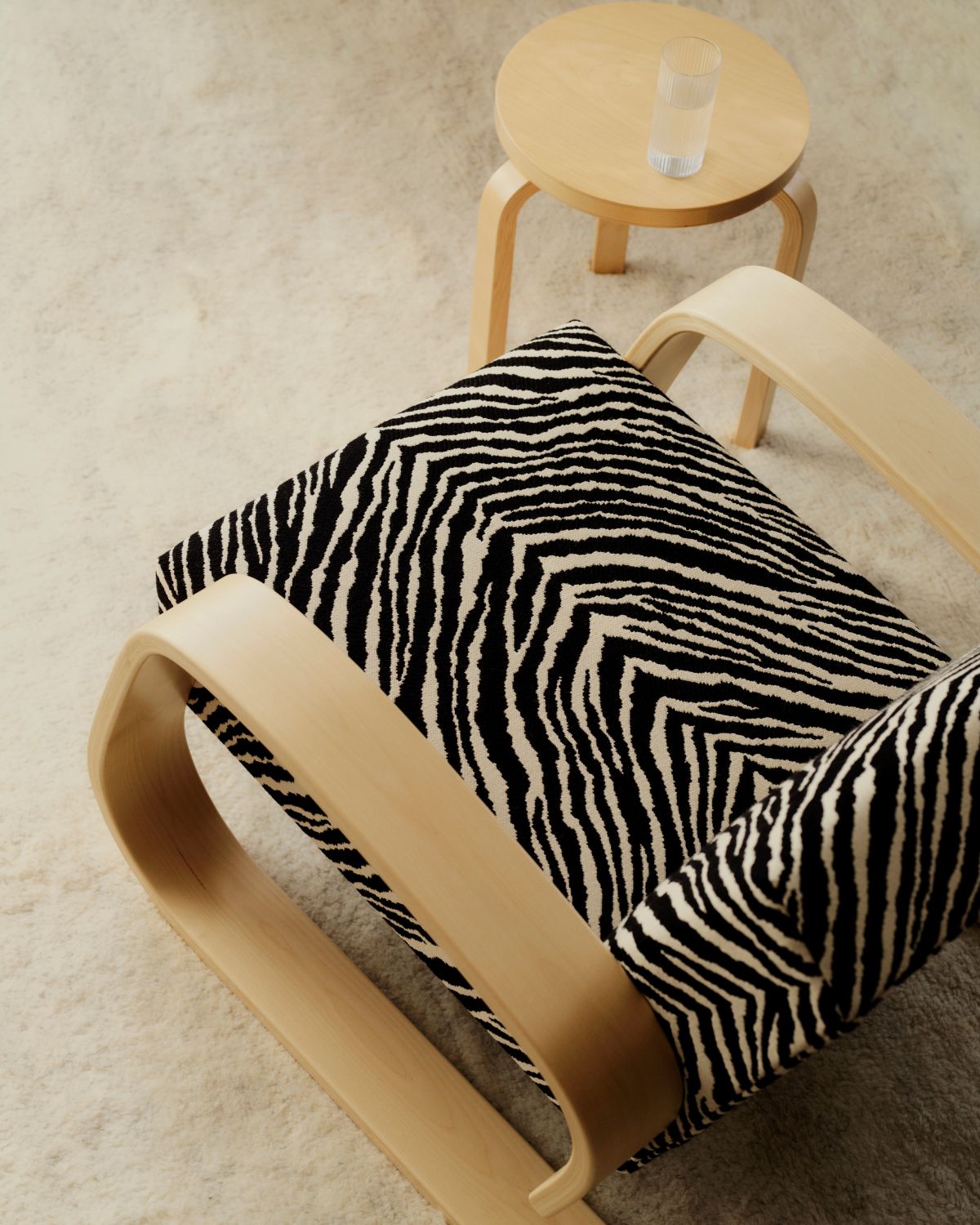
「アームチェア 400 タンク」バーチ、ナチュラルラッカー仕上、ゼブラ張地 ブラック / ホワイト
ゼブラのテキスタイルのオリジナルを製造したメーカーやデザイナーが誰だったのかについては、今なお明らかになっていません。しかし近年の調査により、その足跡はフランスからスイス、そしてフィンランドに渡ったことが分かっています。
誕生からおよそ1世紀を経た今も、このテキスタイルは私たちに新たな物語を語りかけます。よく知られたデザインであっても、そこにはまだ語られていない歴史や発見が秘められているのです。
著者について
ユーディット・ラウムは、ベルリンを拠点に活動するビジュアルアーティストであり、リサーチャーです。
謝辞
本調査にあたり、Wohnbedarf AGチューリッヒとゼブラ生地の歴史に関する深い知見を共有し、本稿で取り上げたテーマについて貴重な議論の時間を割いてくださったアーサー・リューク氏に心より感謝申し上げます。また、テキスタイル技術に関する助言と支援をいただいたKrall+Rothのオリバー・ザルツマン氏、スヴェン・フィッシャー氏、ならびにリヨンの織物・装飾芸術美術館(Musée des Tissus et des Arts Décoratifs)のフレデリーヌ・プラディエ氏、パリのブールデル美術館(Musée Bourdelle)のジェイソン・フェアトラグ氏、そしてケルンのMarkantoのスヴェン・フォルダーシュトラーセ氏に心よりの感謝を申し上げます。