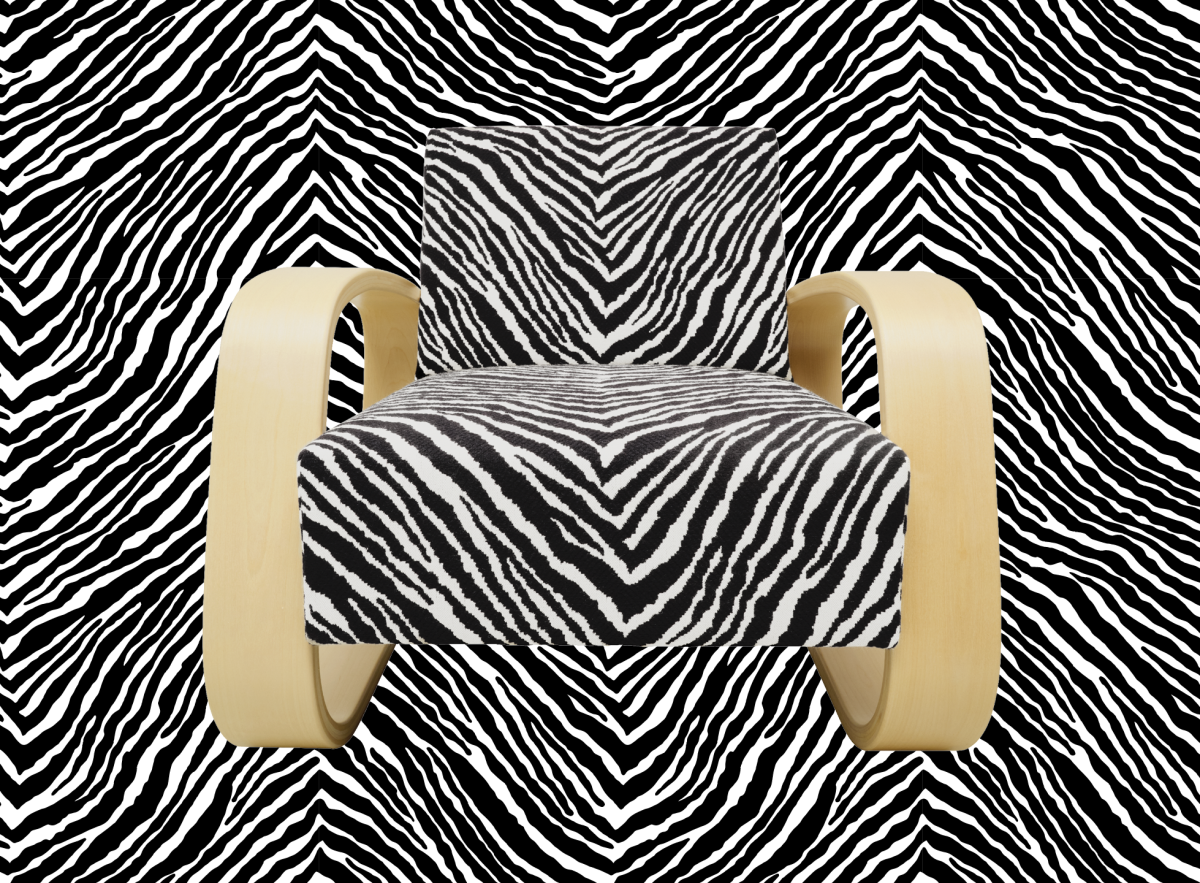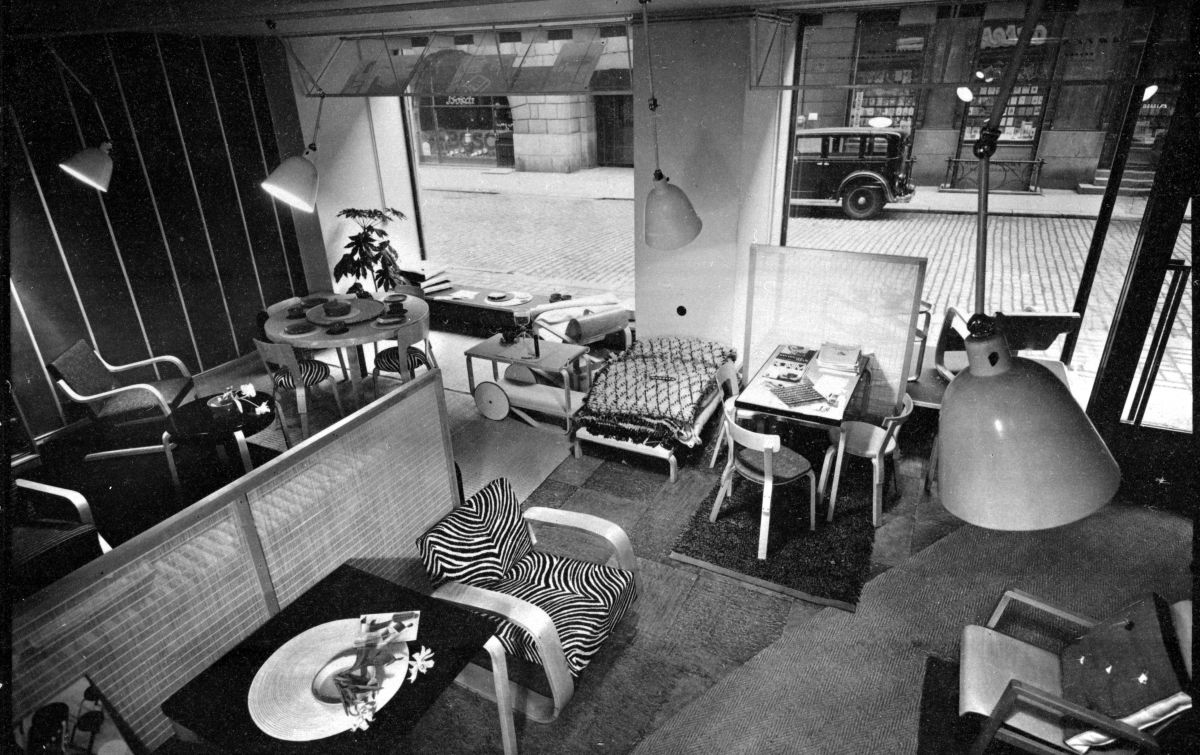
When Aalto furniture first appeared upholstered in a striking zebra-patterned textile in 1934, it began an association that has become one of Artek's most enduring design elements. New research suggests that the textile used was the first known woven fabric designed to reproduce the markings of a zebra skin, and yet its origins remain something of a mystery.
As Artek celebrates the launch of the first colour variant of Zebra, with a new brown and white colourway now accompanying the classic black-and-white version, it is an appropriate moment to look back at its origins. Tracing the textile's journey from France to Finland reveals a fascinating story of modernist networks and archival discoveries.
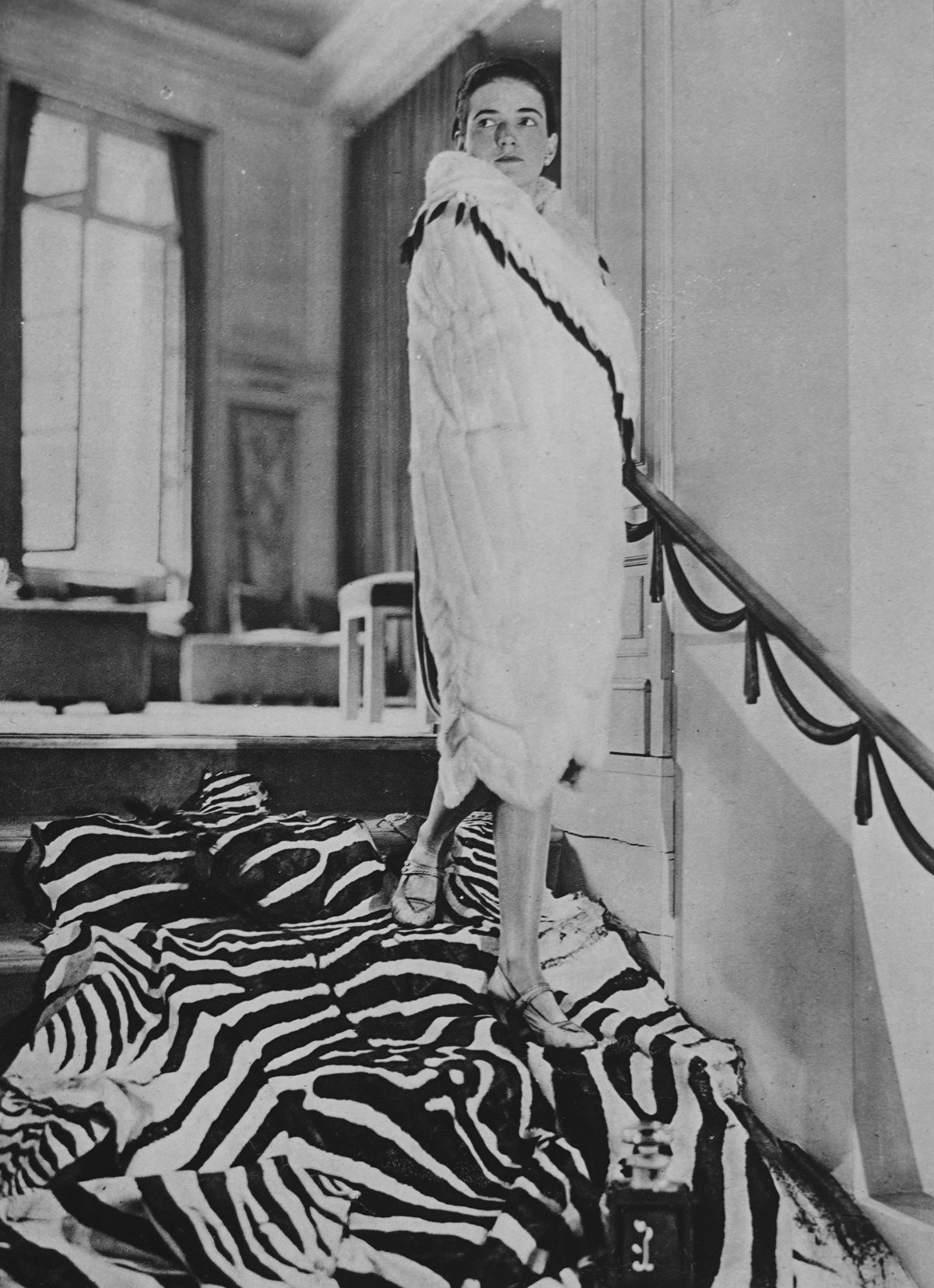
The pattern is thought to have emerged from a textile mill in Lyon, France in the late 1920s. It was almost certainly influenced by the contemporary trend adopted in interiors and high-end Parisian fashion houses for using genuine furs from exotic animals. The Art Deco movement also had a tendency towards using striking, high-contrast designs, and the zebra textile was an eye-catching example of this. Translating the pattern into a woven textile allowed designers to adapt the broad markings of a zebra skin to furniture of many different sizes.
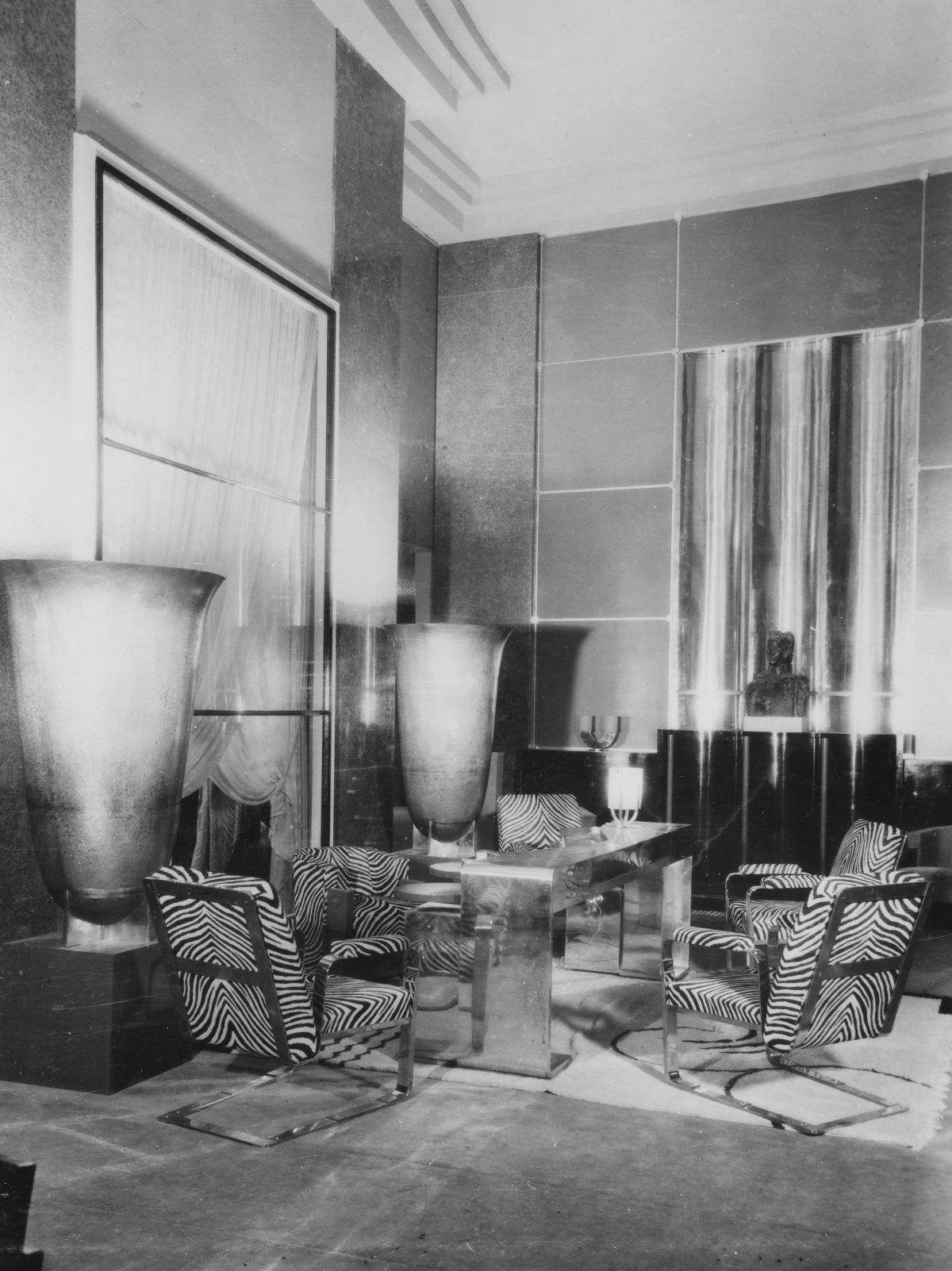
The first documented example of using this woven zebra-patterned fabric on furniture — the same one that would appear on Aalto furniture for Artek — can be traced back to French designer Michel Dufet (1888-1985). He created an entry for the 1929 Salon d’Automne, an annual art and architecture exhibition held in Paris, featuring two armchairs covered in a jacquard woven zebra-print fabric. The manufacturer and supplier of this fabric remain unidentified; documentation of textiles during this time was unfortunately often neglected.
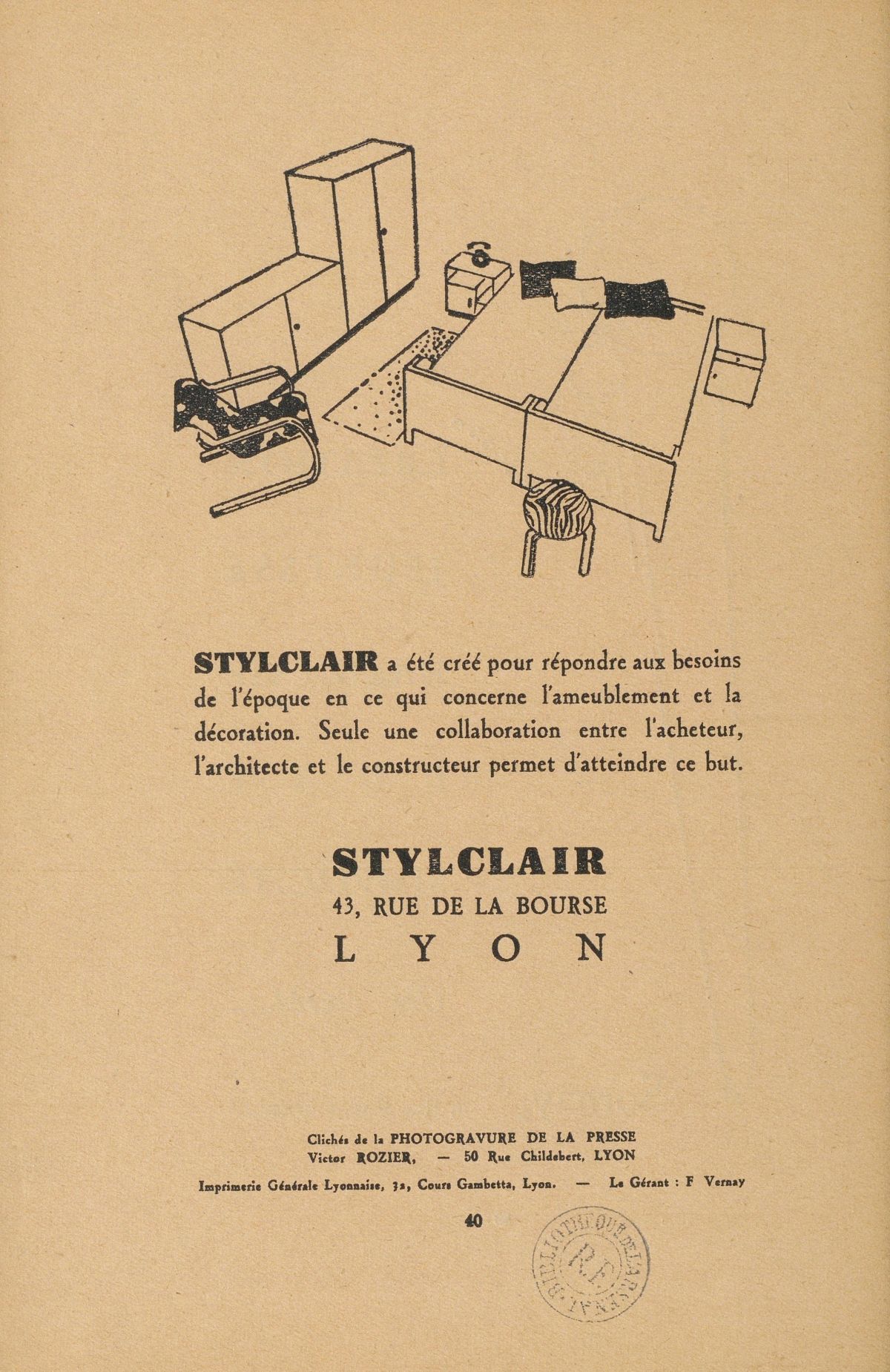
One of the most important clues to Zebra's French origin comes from Aino Aalto. In 1935, she travelled through Paris and Zurich in search of design inspiration. During this trip, a zebra-patterned upholstery textile caught her eye in the Parisian interior design store Stylclair which was by then offering Aalto furniture.
As was her habit, she recorded this in a notebook used to document interesting objects, materials and ideas she encountered during her travels. Alongside other notes, she wrote the words: “Zebra fabric which comes from Lyon“. This piece of information was probably conveyed to her by Stylclair staff as she examined the textile. Aino Aalto was clearly not the only one taken by the pattern's striking design - the zebra fabric would later become an eye-catcher in Stylclair’s advertisements.
While this may have been Aino Aalto's first documented encounter with the textile, Zebra had already found its way onto Aalto furniture. This was largely thanks to Wohnbedarf, the Swiss design retailer founded in 1931 by the architectural theorist Sigfried Giedion and his colleagues.
Wohnbedarf was founded with the aim of promoting modernism in Switzerland, producing its own line of interior furnishings designed by renowned European architects, not least Alvar Aalto.
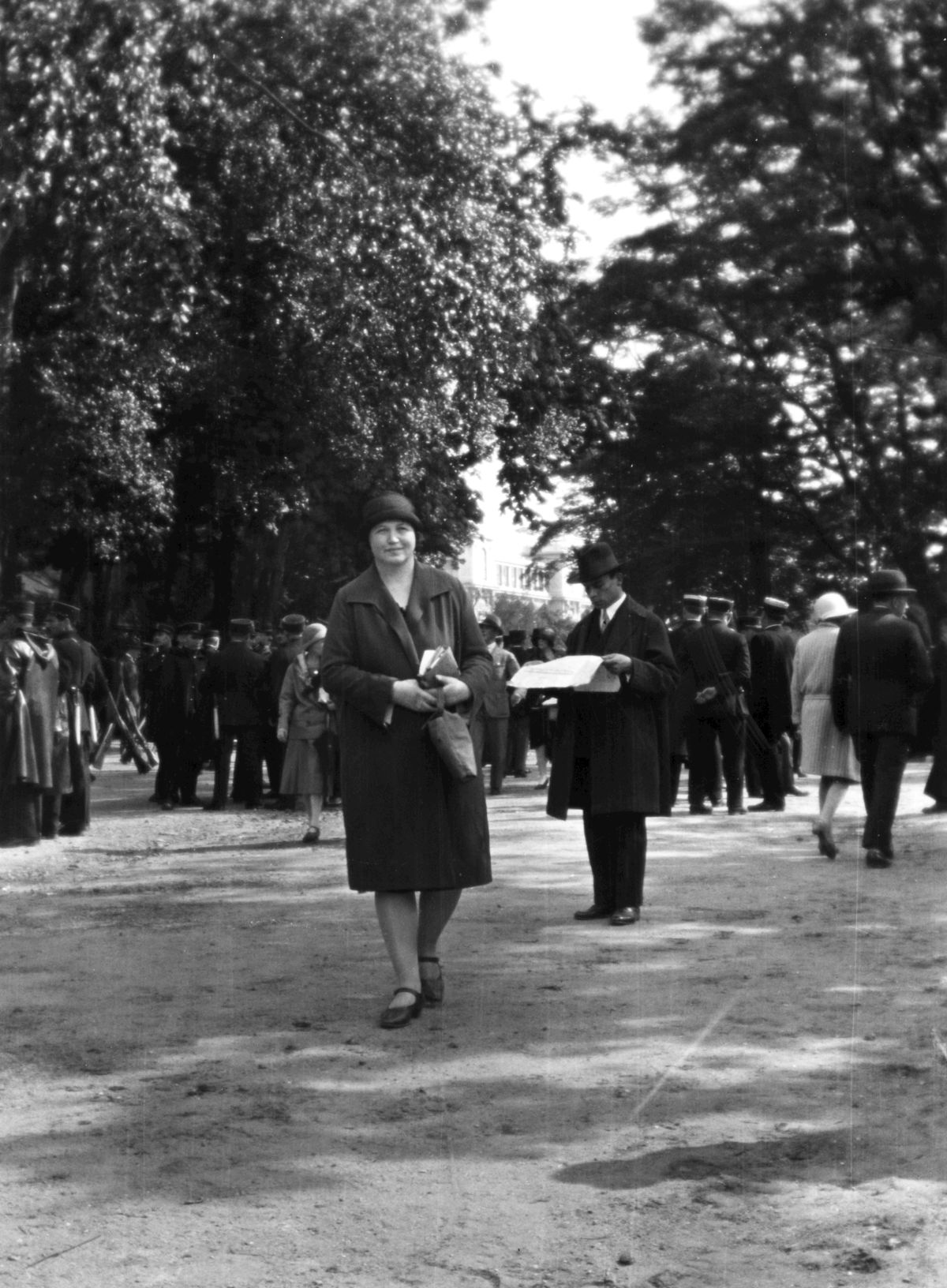
The Wohnbedarf founders were keen followers of design trends in neighbouring countries such as France, and the Zebra textile was probably purchased directly from the manufacturer. Wohnbedarf began offering zebra-upholstered armchairs and stools by Alvar Aalto from 1934, which appeared in several advertisements from the time.
It was Aino Aalto’s encounter with the fabric in Paris, as documented in her travel journal that cemented its place in Artek’s design identity. Upon noting it down, Aino Aalto ordered a quantity of the textile to be delivered to Helsinki in late 1935. Zebra-upholstered Aalto furniture subsequently appeared when the first Artek store appeared in Fabianinkatu in March 1936.
The Zebra textile is thought by some scholars to have been created by Otti Berger (1898–1944), a celebrated textile weaver who trained at the Bauhaus in Dessau and was tragically murdered at Auschwitz. However, the evidence uncovered during recent research suggests that the attribution is incorrect.
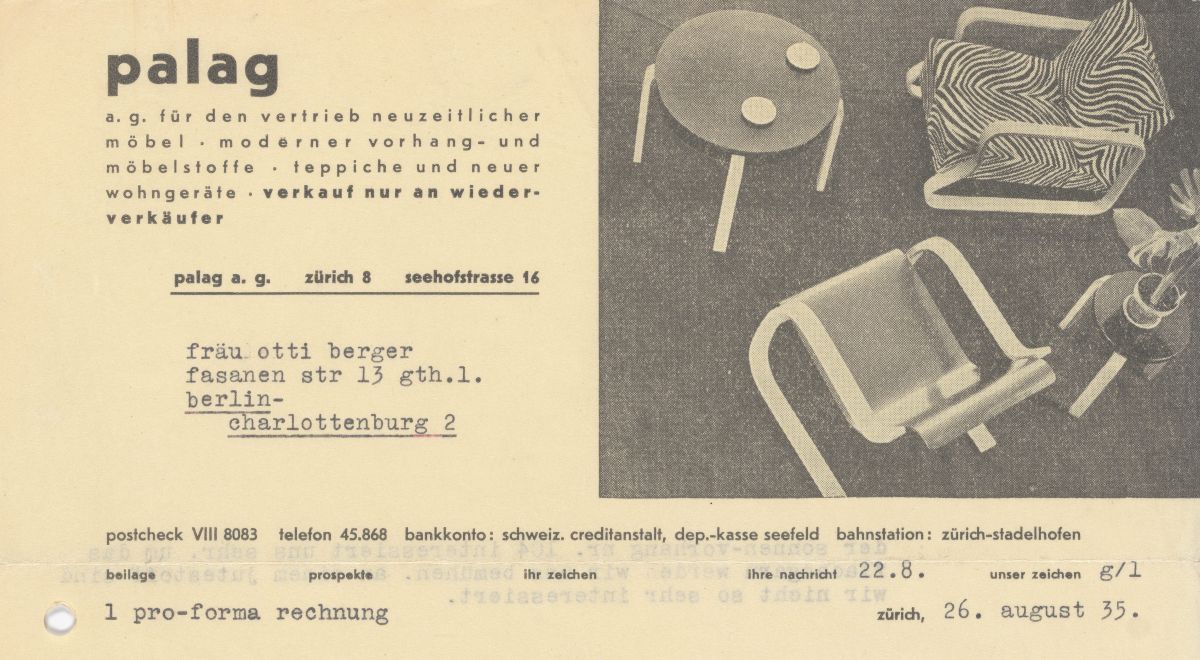
There are two possible sources of Berger's mistaken attribution with the textile. The first is a Wohnbedarf catalogue which featured both zebra-upholstered Aalto furniture and her own textiles separately. The surviving documents might give the impression that the Zebra fabric was also developed by her, but this can be ruled out if we assume the textile to be created in Lyon in the late 1920s. The second source is Aino Aalto’s diary entry, which had Otti Berger’s name featured in another note alongside her memo for the zebra fabrics.
Most crucially, Otti Berger’s designs placed great importance on subtle, understated textural patterns that arose from the functional qualities of the material itself. The graphically striking Zebra pattern would go against such design principles. It is, however, possible that she advised Wohnbedarf AG on the further development of the design for in-house production in Switzerland.
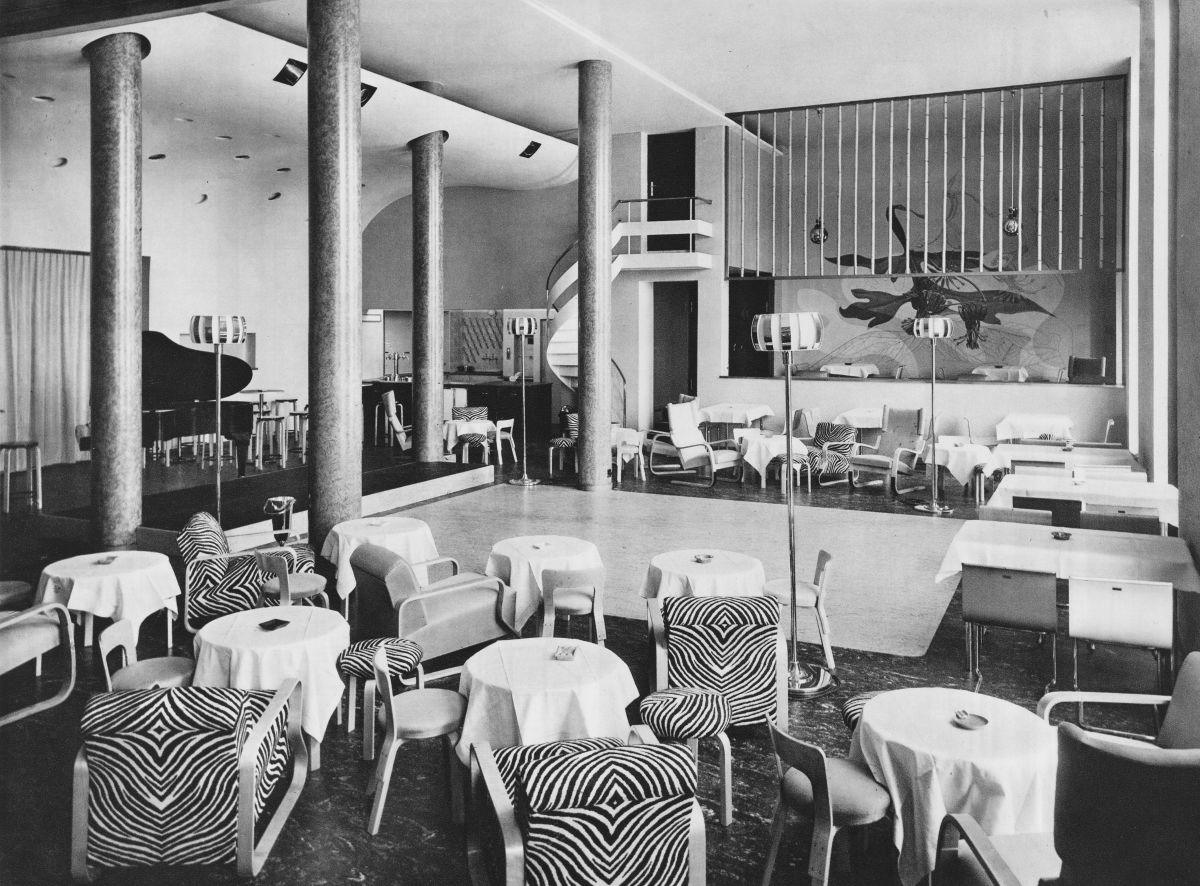
Incidentally, one of Otti Berger’s designs — glossy yet monochrome upholstery fabric made from artificial horsehair — appeared in the “Dancing” Bar at Zurich’s Corso variety theatre. This happened to be the site of one of the most significant appearances of the zebra-print fabric on upholstered Aalto furniture. Opening in 1934, the project also featured a floral mural by the surrealist painter Max Ernst and took the exotic interior design of Art Deco to a new level.
At some point, the original zebra fabric was replaced by a contemporary version of Zebra, which has been produced by German textile manufacturer Krall+Roth since 1996. Whereas the original version had light-coloured flecks in the black areas, the contemporary fabric, which can be traced back to the early 1960s, has a cleaner contrast between the black (or, now, brown) areas and the white. Both versions share a textured, ribbed structure, with a colour depth and softness that acts as a nod to the animal fur that inspired the fabric.
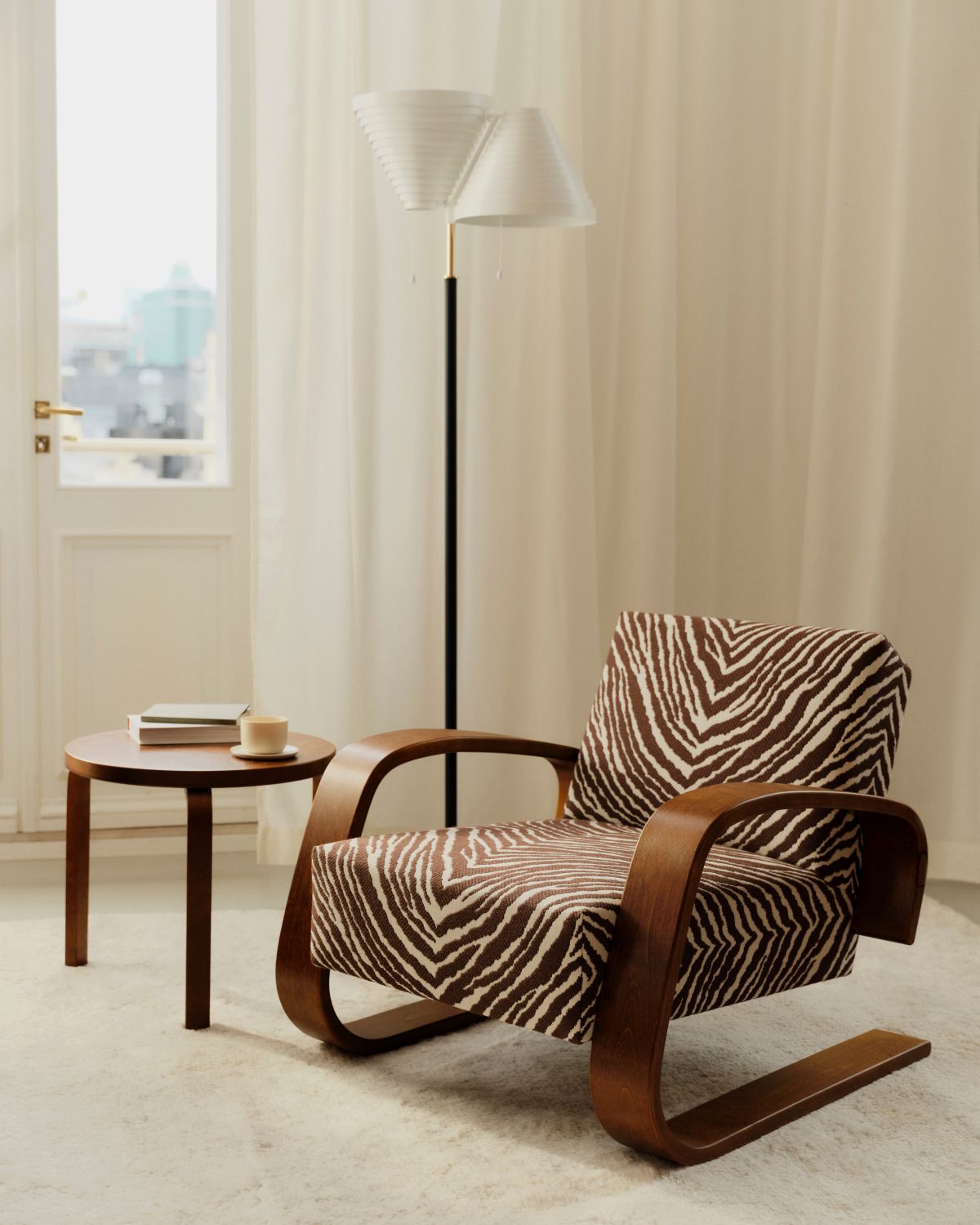
Armchair 400 "Tank", birch, walnut stain, Zebra upholstery in brown / white
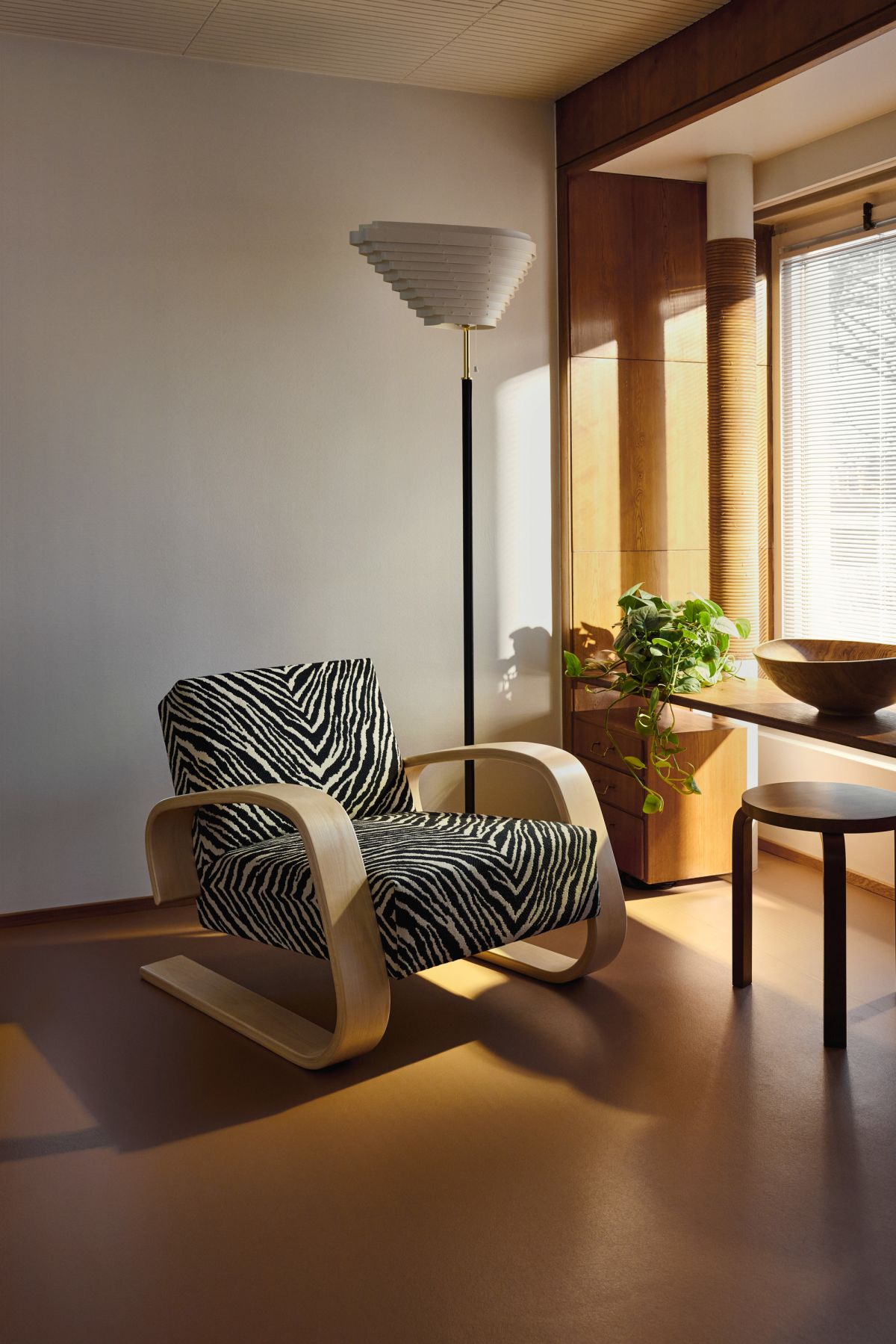
Armchair 400 "Tank" birch, clear lacquer, Zebra upholstery in black / white
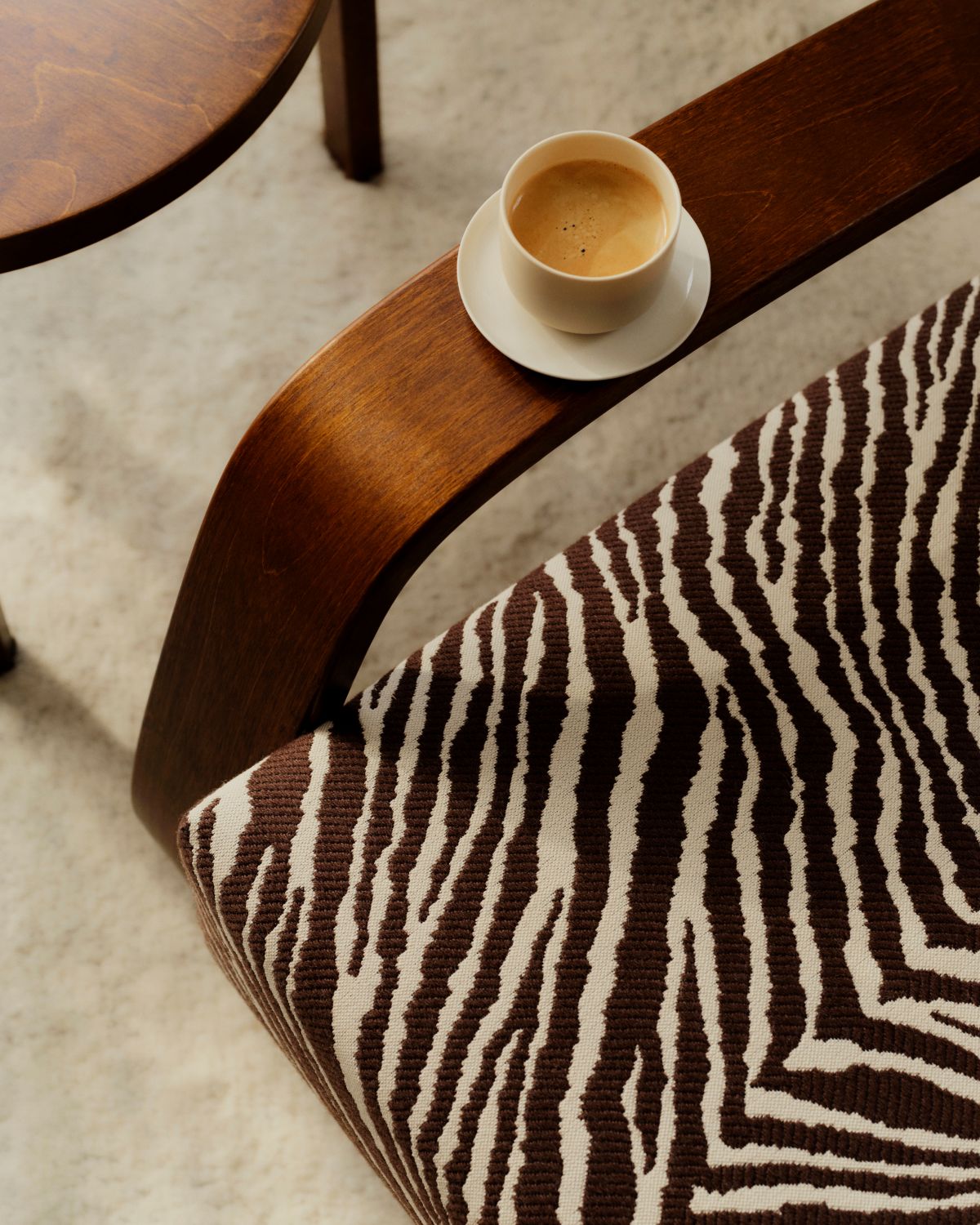
Armchair 400 "Tank", birch, walnut stain, Zebra upholstery in brown / white
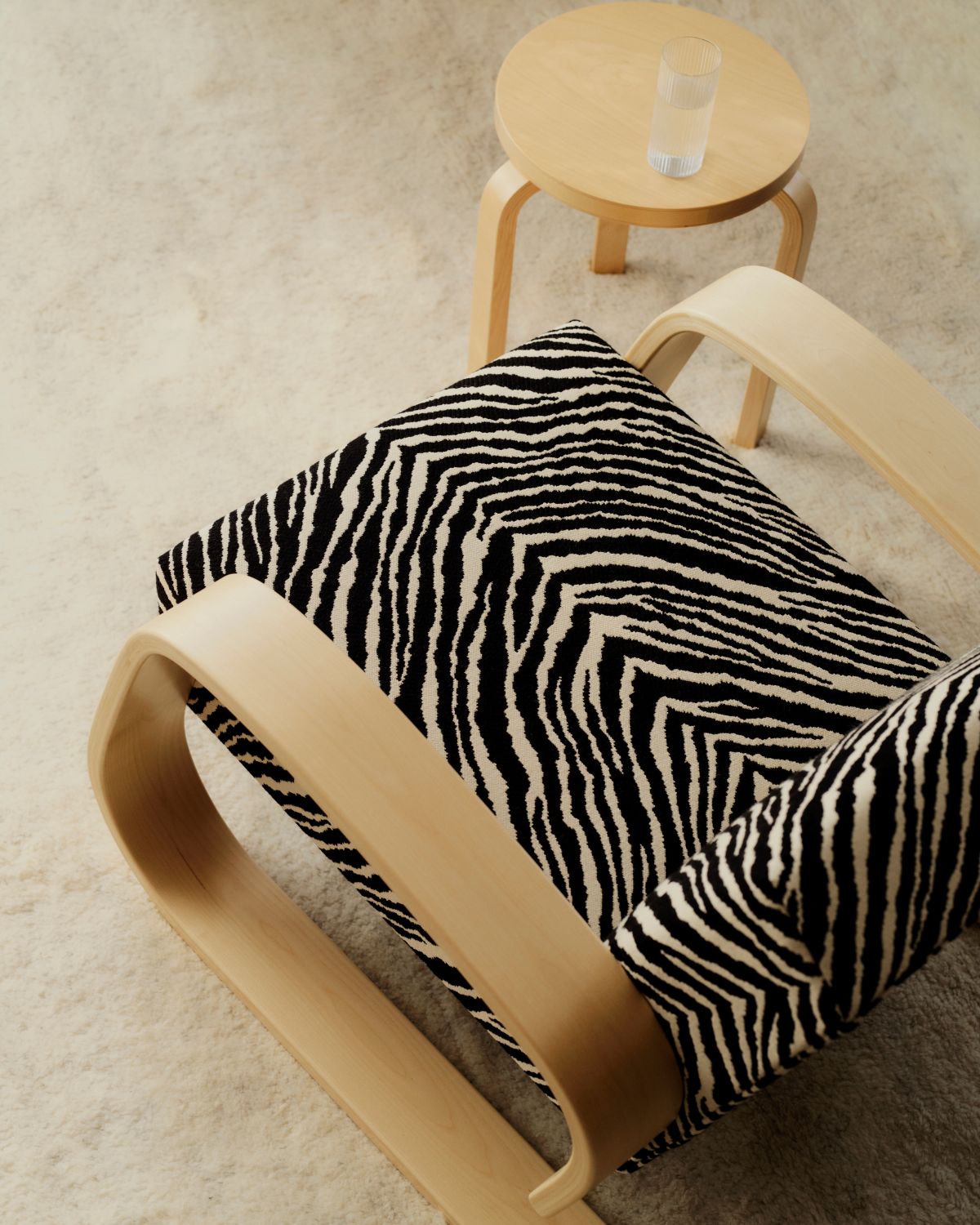
Armchair 400 "Tank", birch, clear lacquer, Zebra upholstery in black / white
Questions remain about the identity of the original manufacturer and designer of the Zebra textile. However, a plausible route has been traced through France, Switzerland and ultimately Finland, where Zebra became firmly integrated into Artek’s design identity. Nearly a century after its first appearance, the textile demonstrates how the most familiar of designs can still reveal previously untold stories.
Judith Raum is a visual artist and researcher based in Berlin.
Many thanks to Arthur Rüegg, Zurich, for his expert insights into the history of the fabric in the context of Wohnbedarf AG Zurich and the time he invested in our exchange on the questions discussed, to Oliver Salzmann and Sven Fischer of Krall+Roth for their support with regard to textile technology, as well as to Frédérine Pradier of the Musée des Tissus et des Arts Décoratifs in Lyon, to Jason Vertrag of the Musée Bourdelle in Paris and to Sven Vorderstrase of Markanto, Cologne.