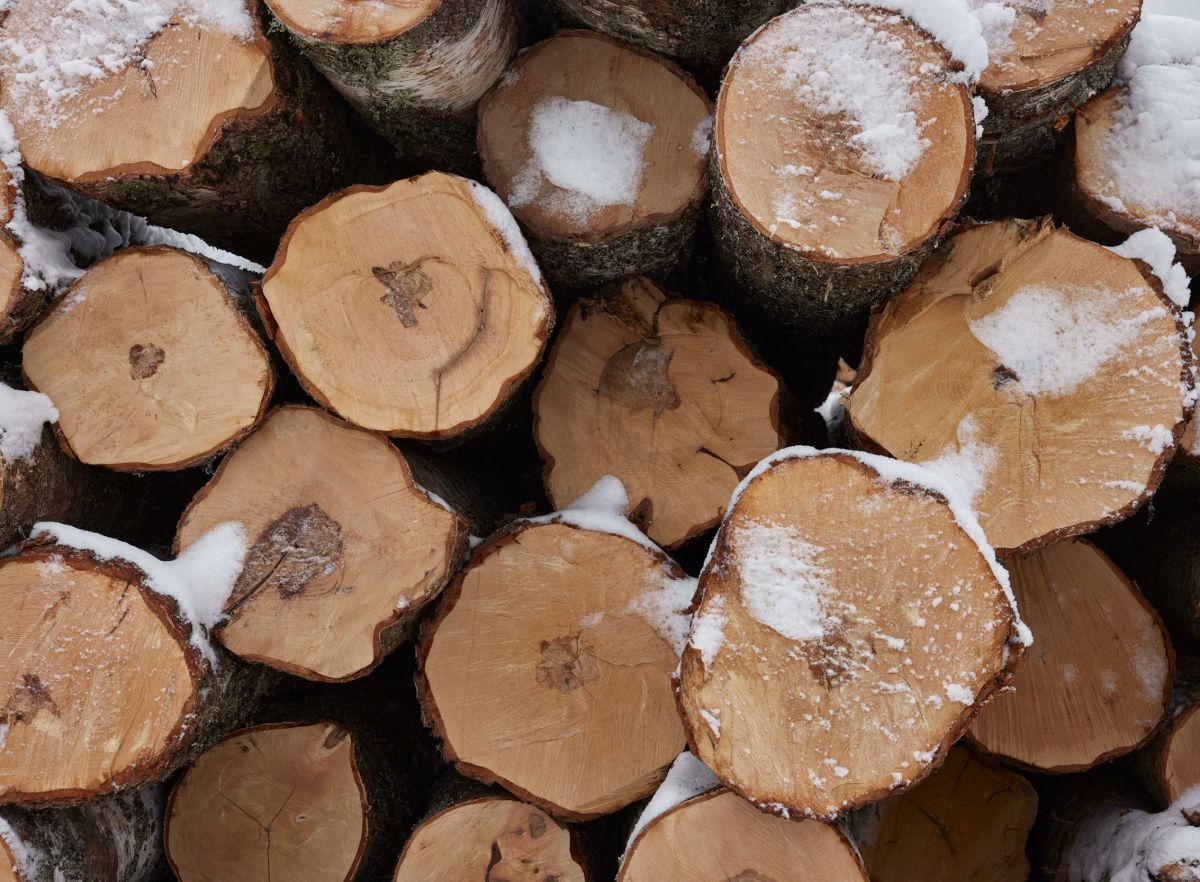
Artek and the Forest
Artek's relationship with the Finnish forest is as old as the company itself. Action is now being taken to secure that relationship for generations to come.
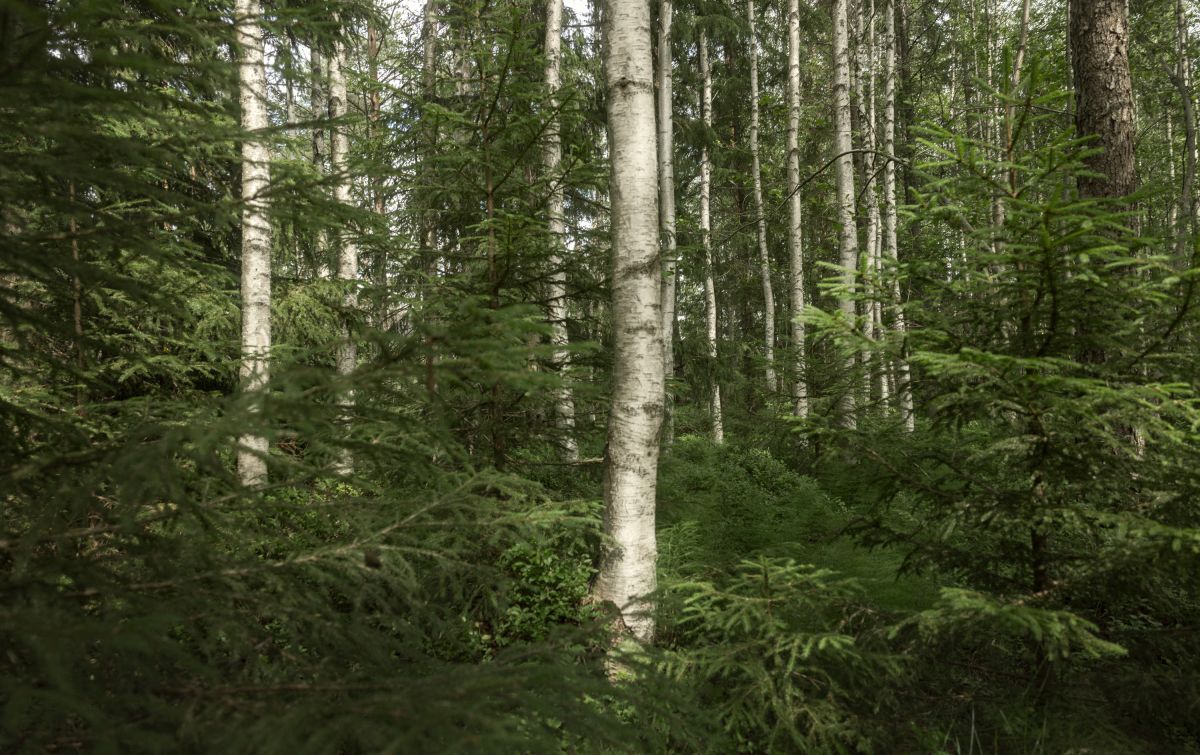
Forests are central to the Finnish national identity. They provide places for life to emerge, for people to enjoy recreational activity and, when managed properly, they act as carbon sinks to offset the impact of human-caused climate change.
Forests are also of fundamental importance to Artek.
All Aalto furniture continues to be made in Finland, using birchwood from local trees aged between 50 and 80 years old. Some of the trees harvested today were seedlings when Aino and Alvar Aalto were working together. Meanwhile, seedlings sprouting now will not become Artek products until the end of this century.
Using mature natural materials brings with it a deep responsibility. That is why Artek makes products that remain in use for at least as long as the growth period of the trees from which they are made.
But lasting design requires lasting forest — and Finnish forests are changing. Artek’s high-quality birch timber only grows in healthy mixed forests, which conventional forest management practices in Finland, primarily clearcutting, are making increasingly rare.
In 2020, Artek initiated a long-term collaboration with research-based design studio Formafantasma to critically reexamine its relationship to the forest and to its wood supply chain. This collaboration was conceived as a research-driven process rather than a product-focused project.
Working with Formafantasma as a strategic partner, Artek engaged in extensive internal and external research into Finnish forestry practices, supply-chain structures, and the environmental, cultural, and economic implications of timber sourcing.
This sustained research process helped articulate the long-term consequences of current forestry practices and brought into focus the relationship between biodiversity, material quality, and responsibility across generations. Through this work, the questions that Artek needed to ask of itself became clearer — and this reframing directly informed the decision to take responsibility for forest management as part of the company’s product lifecycle.

Artek set out to buy its own forestland, searching for mixed forest estates with a suitably high share of birch trees. The first site, in Eastern Finland, was purchased by Artek in late 2025, to be managed using continuous cover forestry (CCF), an environmentally progressive way of harvesting timber.
Continuous cover forestry means that trees are felled on a selective basis, ensuring that the thinned forest remains an intact eco-system and its biodiversity is not overly disrupted. The varied gap sizes created through selective felling provide ideal conditions for birch to self-seed naturally alongside shade-tolerant trees, increasing species diversity without the need for planting.
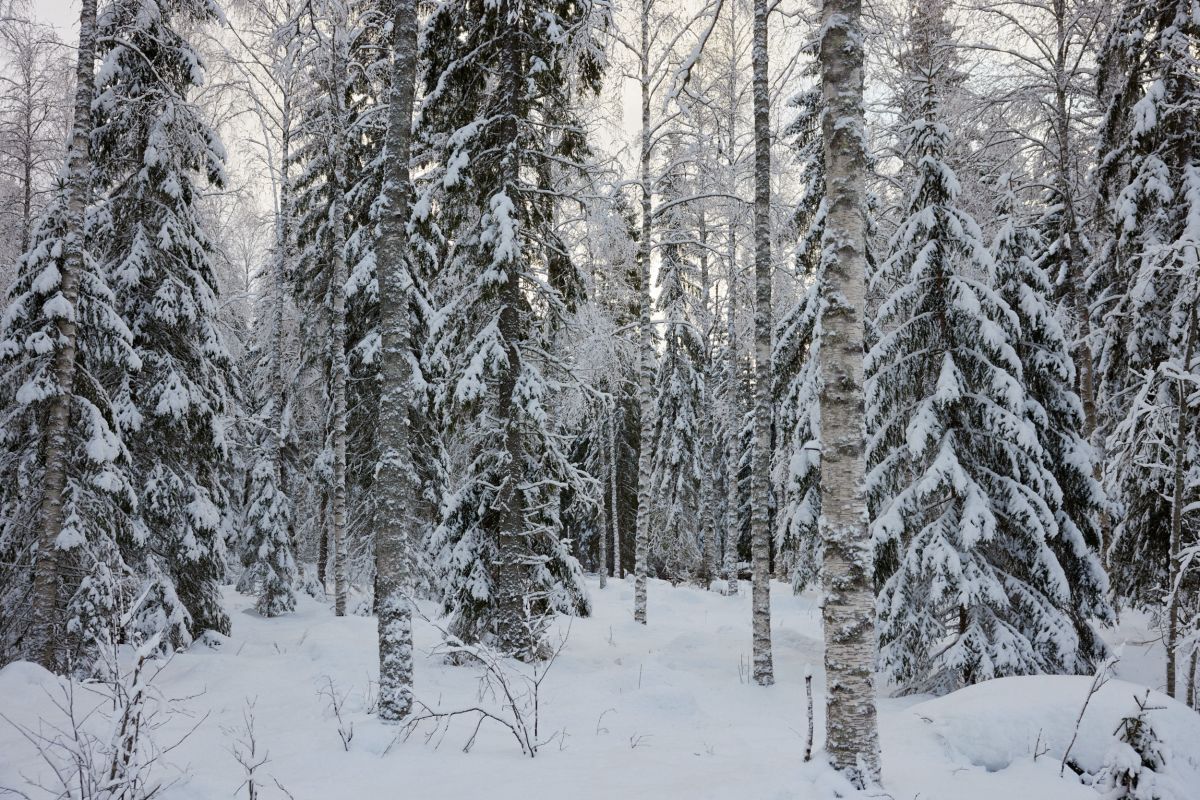
Silver birch trees represent a small share (just 4%) of Finnish forests. The specific quality of timber needed for Artek’s products only grows in mixed-wood forests, where the pioneer species birch self-seeds and grows straight and tall in search of light. Rotational forestry is the dominant forestry method in Finland, involving the clear cutting of sections of forest followed by replanting rather than natural rejuvenation. This method of forestry management does not favour the kind of quality birch wood needed for Artek’s long-lasting furniture and if continued, will steadily reduce available supply.
Artek’s own forest will foster the growth of high-quality silver birch. The goal is that 10% of Artek’s annual birch supply will be sourced from its own forest, with the first birch trees reaching maturity starting from around 2055.
The scope of the project, however, reaches far beyond this goal.
Currently, less than 2% of timber in Finland is harvested using continuous cover forestry. By proving the technical and economic viability of continuous cover forestry, Artek intends to create a model which other Finnish forest owners will hopefully follow.