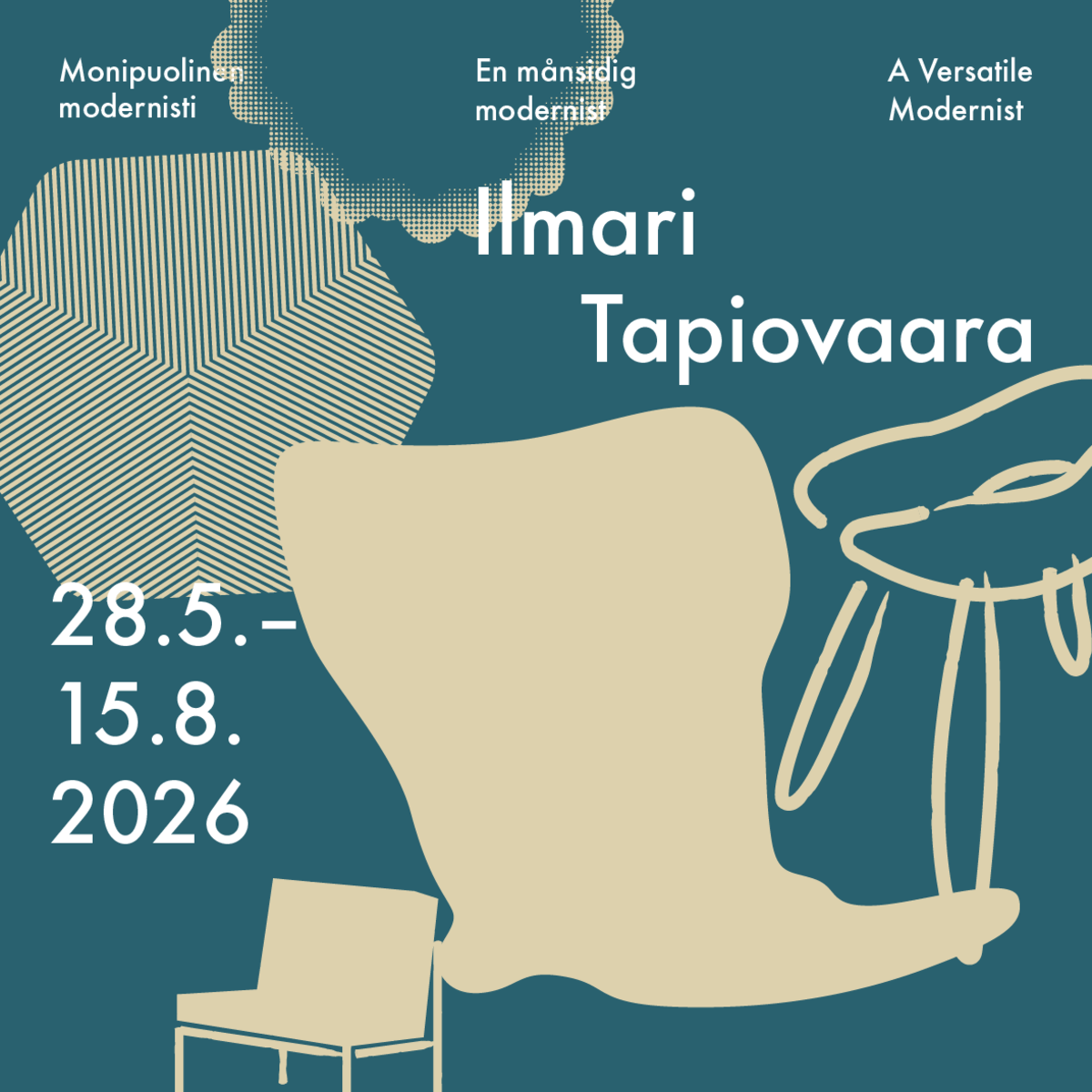
A Modernist and visionary, Tapiovaara’s career took off thanks to his understanding the value of local production and international networks. As a designer, he found inspiration in functional simplicity and when conducting projects in distant lands always lived by an ethos of social responsibility. Tapiovaara's wide-ranging oeuvre includes several design classics, and his ability to combine quiet elegance with practicality remains unsurpassed.
The exhibition brings together furniture designed by Tapiovaara, in which the key themes anchoring his career are made tangible.

With the mind of an explorer and the soul of a craftsman, Ilmari Tapiovaara (1914–1999) was always looking for new solutions to improve everyday objects.
A Modernist and visionary, Tapiovaara’s career took off thanks to his understanding the value of local production and international networks. As a designer, he found inspiration in functional simplicity and when conducting projects in distant lands always lived by an ethos of social responsibility. Tapiovaara's wide-ranging oeuvre includes several design classics, and his ability to combine quiet elegance with practicality remains unsurpassed.

Domus Chair, Ilmari Tapiovaara, 1946
In the 1940s, wartime and shortages imposed strict limits on designers, yet the constraints also served to stimulate inspiration. In these demanding circumstances, new solutions, designs and materials were used. If the seat of a chair could not be padded due to having to keep costs down, its essential form could instead be designed for comfort. During the war, Tapiovaara served at the front and designed everything from traditional dugout korsu shelters to military canteens, from household items to furniture. The shelters and objects were made from and with whatever materials and equipment were available – often from wood grown in the area.
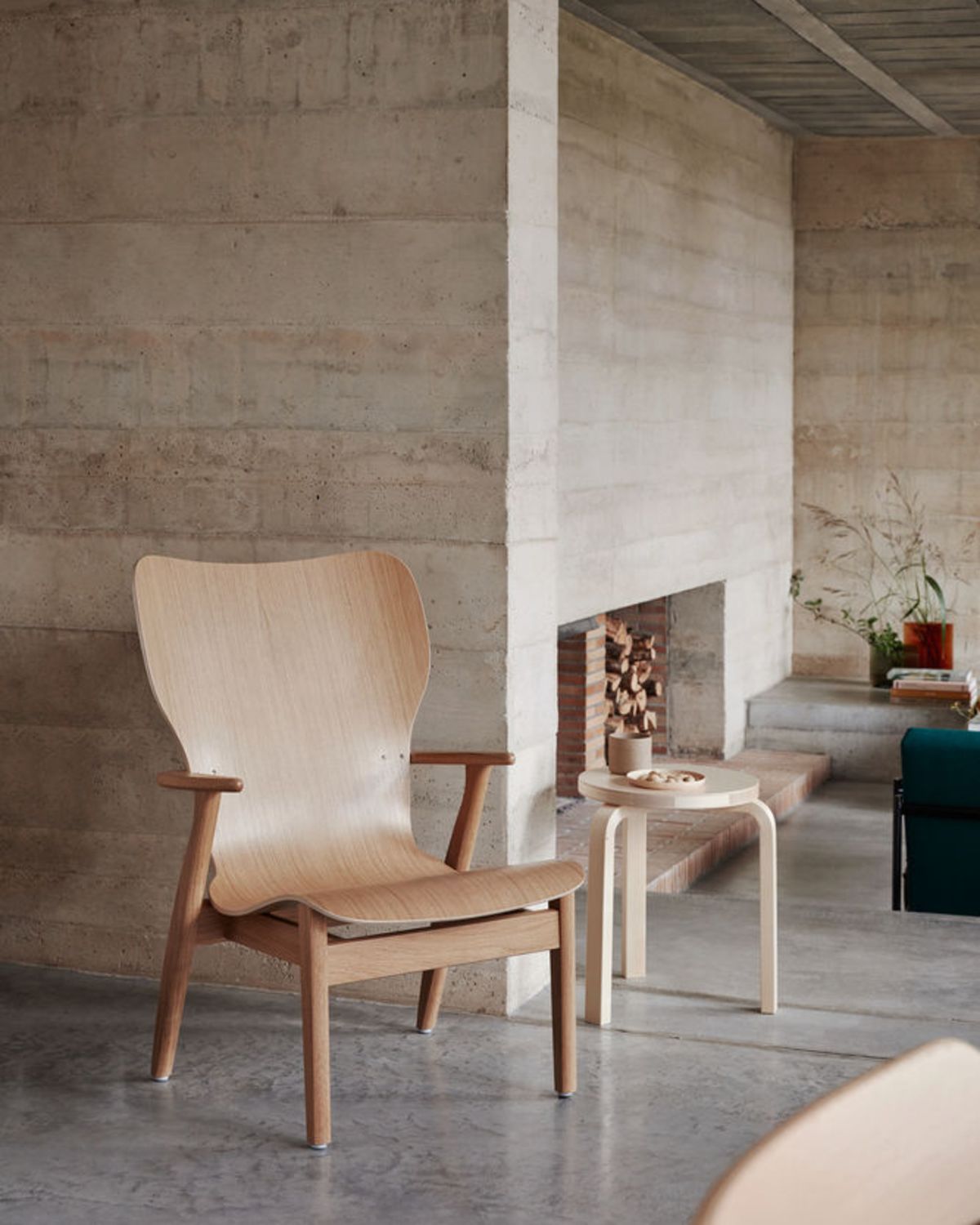
Domus Lounge Chair, Ilmari Tapiovaara, 1946
A key part of Tapiovaara's distinguished career was his involvement in numerous UN development cooperation programmes. In the couple of decades from 1959 to the end of the 1970s, he worked as an expert with the United Nations Industrial Development Organization. Tapiovaara's collaborations took him to various places including Paraguay and Mauritius, where he focused on the development of production and export. In Paraguay, Tapiovaara designed furniture and household items from local wood and other materials, then settled on a suitable production chain for his designs. In Mauritius, materials suitable for the furniture industry had in part to be imported, but Tapiovaara also designed products made of bamboo. The work was challenging, as there was only modest local knowledge of design – but then one key aim of the project was to educate the Mauritian community.
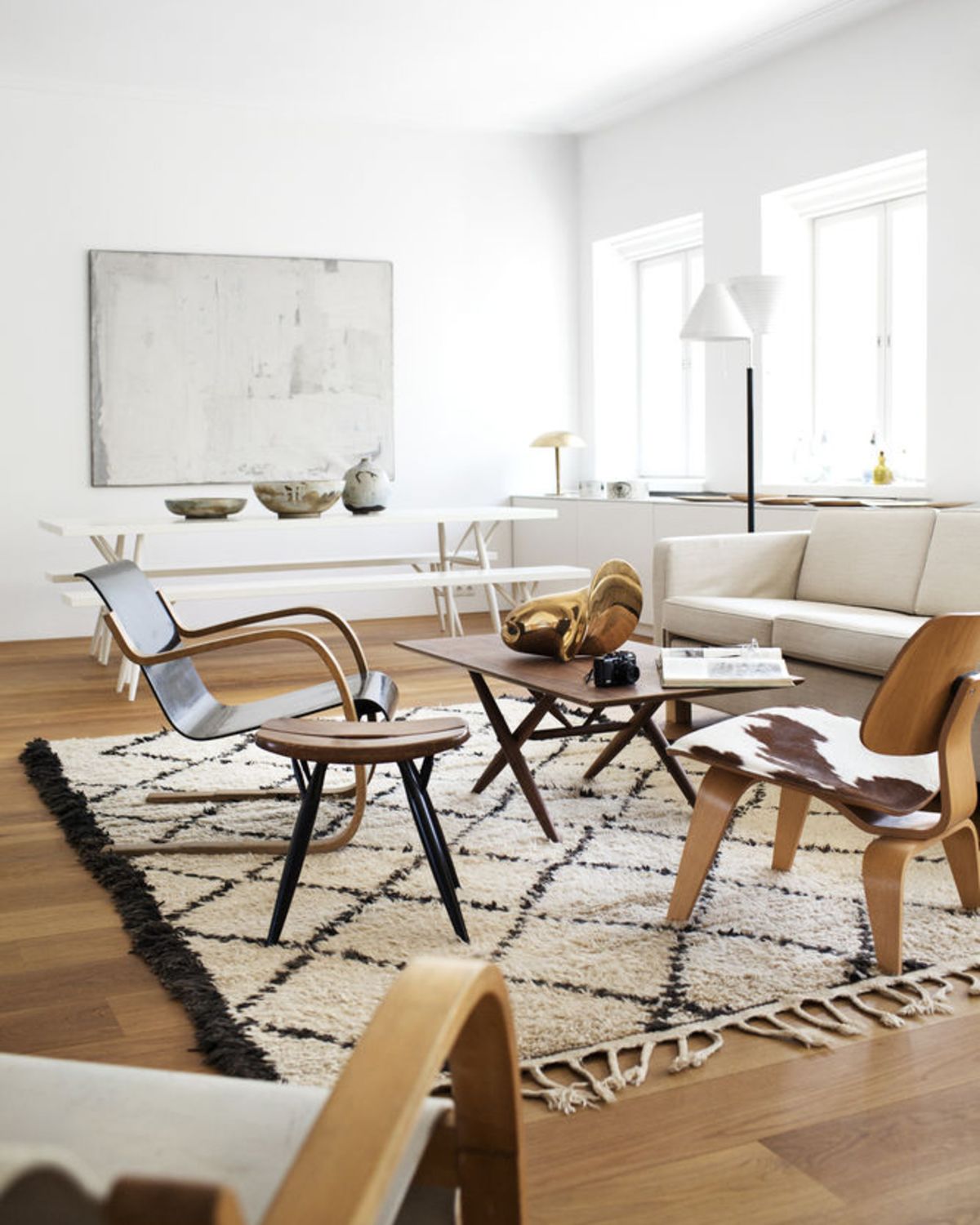
Pirkka Product Family, Ilmari Tapiovaara, 1955
Ilmari Tapiovaara was by nature cosmopolitan, but from a young age he strove towards developing more internationally. As a student, he travelled in Europe and stayed particularly long in Paris. A six-month internship at Le Corbusier's office was connected to his studies and a high point of the young Tapiovaara's travels. He saw that the Finnish domestic market was not yet the place for a designer to make a break through – one needed international connections and to work abroad. The international success of his Domus chair would later propel Tapiovaara to world fame.

Kiki Sofa, Ilmari Tapiovaara, 1960
A Versatile Modernist – Ilmari Tapiovaara
28.5.–15.8.2026
Artek Helsinki
Keskuskatu 1B
00100 Helsinki
Mon–Sat 10–18
Artek Helsinki
Keskuskatu 1 B
00100 Helsinki, Finland
tel. +358 10 617 3480
artekhelsinki@artek.fi
Mon-Sat 10:00 –18:00